

2023 World Day for Audiovisual Heritage
To share information about your own celebrations, please click on the ADD A NEW EVENT button below.
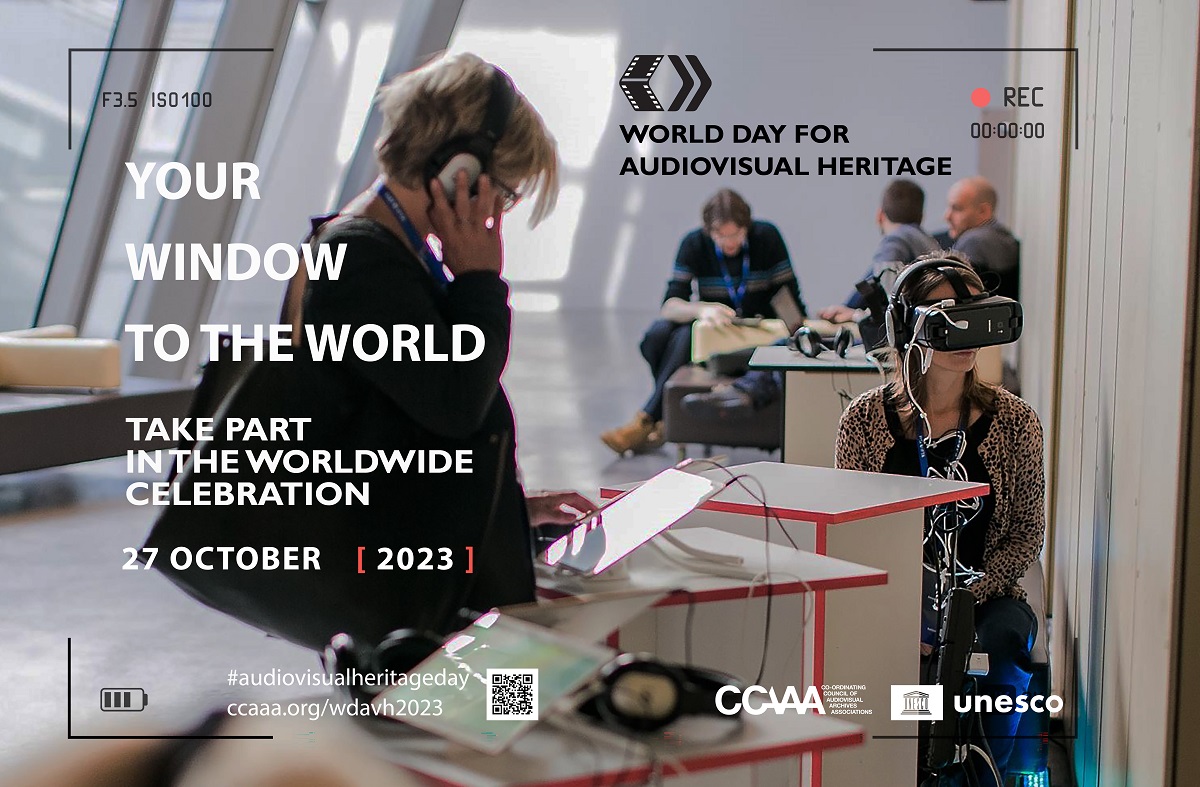
The World Day for Audiovisual Heritage - 27 October - is a key initiative for both UNESCO and the Coordinating Council of Audiovisual Archives Associations (CCAAA) to honour audiovisual preservation professionals and institutions that safeguard our heritage for future generations. Around the world audiovisual archives join together annually on this day to celebrate their work with events that not only highlight the vulnerability of these valuable materials, but also to celebrate the often, unheralded work of the institutions that provide protection and preservation, ensuring their availability in the future.
Audiovisual materials can tell your story, your truth, and your presence. They provide a window to the world, allowing us to observe events we cannot attend, hear voices from the past who can no longer speak, and craft stories that inform and entertain. By listening to recorded sounds and looking at images captured on film and video we can not only appreciate the richness of this culture but also learn from it.
Please join us by posting your events on this dedicated webpage to allow us to share in the wealth of stories and content from around the world.
Mary Egan, Chair of the CCAAA
Download, use, and share this year's poster:
Should you require one of the 2023 World Day for Audiovisual Heritage posters in another file format, or in another language, please contact info@ccaaa.org and we will try to help you.
Download, use, and share the promotional video:
You can download and share the World Day video by going to this dedicated page on the CCAAA website. You can also access it on Vimeo.
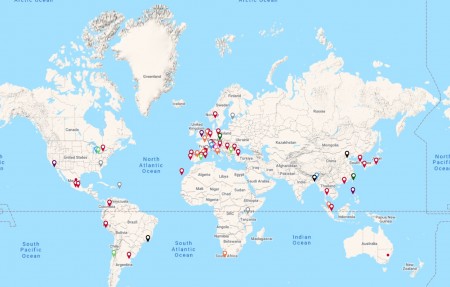
You can now visualize all events of this year's World Day for Audiovisual Heritage on a dedicated world map that is updated in real time. You can also visualize all the notices ever posted about events celebrating the World Day for Audiovisual Heritage on the CCAAA website since the 2016 edition, on this webpage.
Share the news of your World Day celebrations:
The nine associations forming the CCAAA (AMIA, ARSC, FIAF, FIAT/IFTA, FOCAL International, IASA, ICA, SEAPAVAA, IFLA) strongly encourage all their members (and any other institutions) not only to join in the global celebrations of the 2023 World Day on and around 27 October, but also to share the information about their particular events, by clicking on "ADD AN EVENT" below and filling in the quick-and-easy form. Your descriptive text can be in the language of your choice (or even better... in several languages), but we ask you to limit it to 500 words max. You can also attach one image per event. Please fill in and submit one form per event. Your contributions will be automatically added to the list of Word day events at the bottom of this page (the latest added event will appear at the top of the list).
Happy 2023 World Day for Audiovisual Heritage !
Click HERE to open a new window with a printable version of the list below.
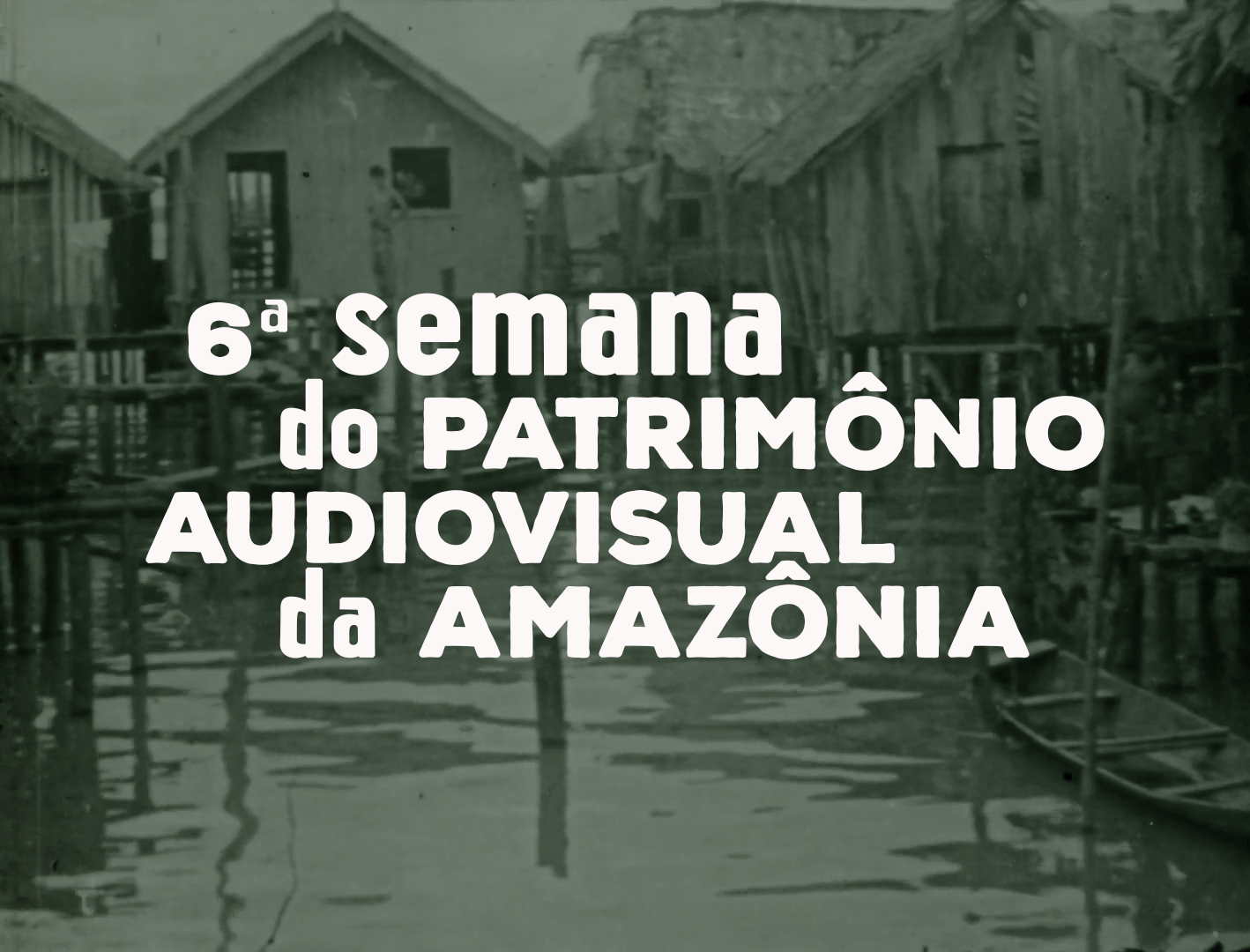
6ª Semana do Patrimônio Audiovisual da Amazônia
Entre os dias 24 e 27 de Outubro a Cinemateca Paraense irá realizar a sexta edição da Semana do Patrimônio Audiovisual da Amazônia, evento em alusão ao Dia Mundial do Patrimônio Audiovisual, uma data pensada pela UNESCO com o objetivo de conscientizar os governos e a sociedade da importância da preservação de filmes como a memória do mundo. A Cinemateca Paraense em 2023 completa 13 anos de existência independente na pesquisa, catalogação e difusão do cinema e do audiovisual paraenses e com seu idealizador e curador, o Prof. Dr. Ramiro Quaresma, professor no Instituto de Ciências da Arte da UFPA, se tornou um projeto de extensão universitária para potencializar sua força e alcance cultural e social.
A 6ª Semana do Patrimônio Audiovisual da Amazônia tem apoio do Laboratório Cisco, do Cinelimite e da Iniciativa de Digitalização de Filmes Brasileiros, em uma realização da Cinemateca Paraense, do Projeto de Extensão “Cinemateca Paraense: ações formativas, fórum de discussão e cineclubismo”, da Escola de Teatro e Dança e do Instituto de Ciências da Arte da Universidade Federal do Pará.
Serviço:
Dia 24/10
Entrevista com William Plotinik e exibição da nova cópia em 2k de “Vila da Barca” (1964) de Renato Tapajós;
Dia 25/10
Entrevista com João Luciano, roteirista, diretor e produtor.
Dia 26/10
Entrevista com Adrianna Oliveira, documentarista, diretora e produtora.
Dia 27/10
Entrevista com Relivaldo Pinho, professor, pesquisador e documentarista.
Onde:
Canal do Youtube e site da Cinemateca Paraense
6ª Semana do Patrimônio Audiovisual da Amazônia
www.cinematecaparaense.wordpress.com
https://www.youtube.com/@cinematecaparaense
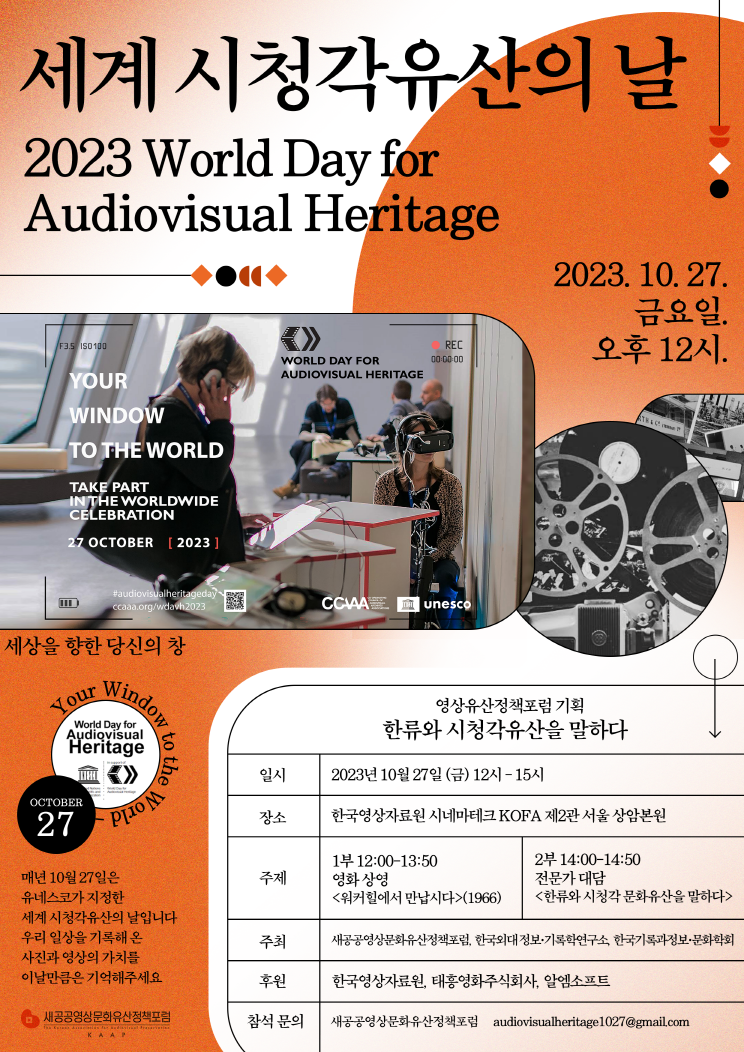
The Korean Association of Audiovisual Preservation(KAAP) and the Institute of Information and Archival Science in Hankuk University of Foreign Studies are going to organize a screening of the feature film <Let's Meet at Walkerhill (Wokeohileseo Mannapsida>(1966) and a special talk session on Hallyu and Korean culture curation.
In the classic film < Let's Meet at Walkerhill> (1966), directed by Han Hyung-mo, a Korean music movie that allows you to understand the prototype of movies and popular songs that are a big part of the so-called "Korean Wave" and the popular culture of the 1960s. In the 1960s popular music landscape of South Korea, various genres were tried, including standard pop, rock, and folk songs, in addition to trot, foreign-style music, etc. You can meet these in the film. The Walkerhill Hotel was built in 1963 for foreigners, including American soldiers in South Korea. At the time, the Walkerhill Show was a venue for high-end shows with a sophisticated revolving stage. However, in order to showcase a wide variety of music and shows, popular music shows were held in various locations such as KBS TV show studio, music hall in Myeongdong, where young people used to go, and the hotel nightclub. For more information of the film, please refer to the film information in KMDB: https://www.kmdb.or.kr/eng/db/kor/detail/movie/K/01414
After the screening, a special talk on Hallyu(Korean Wave) and Audiovisual Heritage will be followed. Since 2022, Korean Wave-related exhibitions have been held in Korea and abroad. In September 2022, the Victoria & Albert Museum in the United Kingdom opened the "Hallyu! The Korean Wave" exhibition, and other national and public museums in Korea are also planning related exhibitions.
In this event, we will meet two young curators working in National Museums in South Korea will be speaking about their own experiences. through conversations with the curators who participated in the process of curation, we would like to consider the audiovisual cultural heritage that should be preserved, protected, and transmitted within the cultural heritage system. We expect main issues and its future directions on the preservation and public uses of Hallyu related items as audiovisual heritage in South Korea.
Moderator: Eujeong Zhang / (Professor, Dankook University)
Panels: Gi-Jun, Kwon (Curator, National Museum of Korean Contemporary History)
Hunyoung Na (Curator, National Folk Museum of Korea)
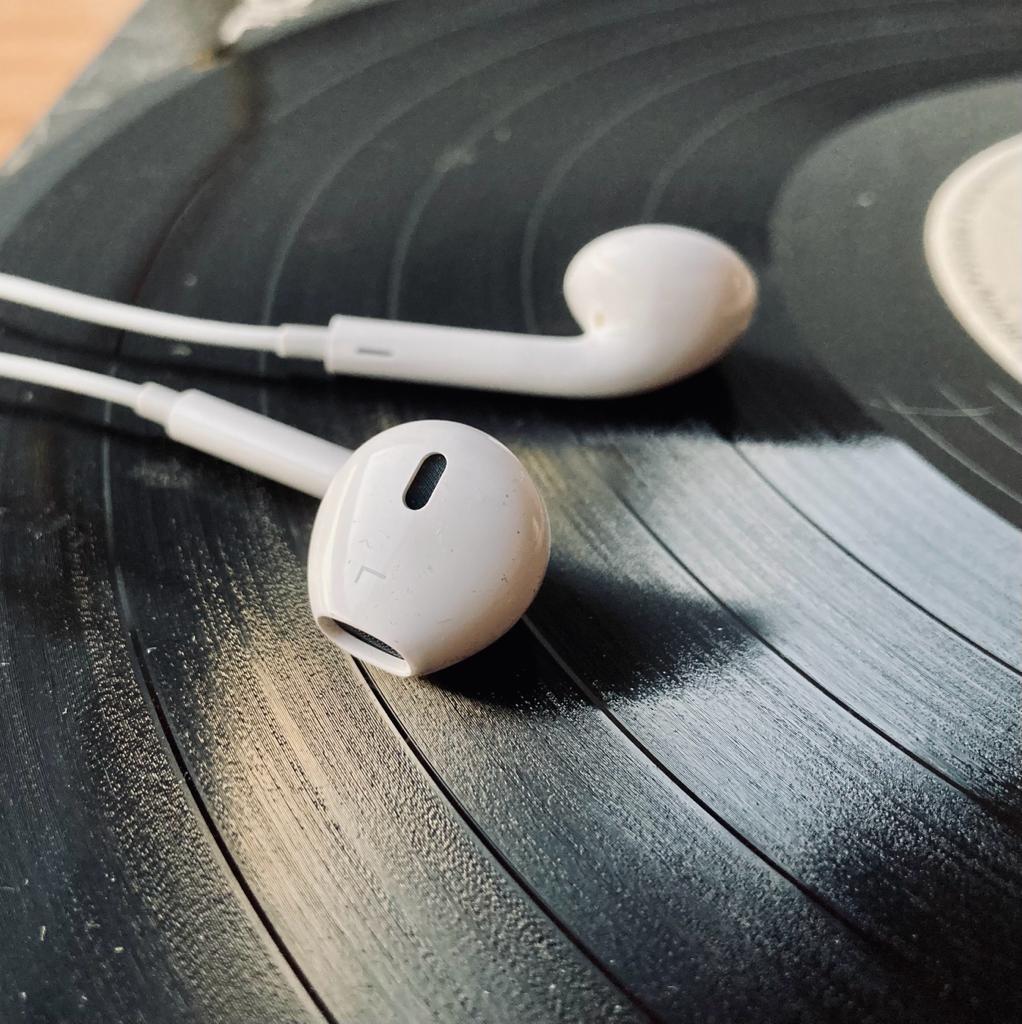
El soporte digital de la música, así como el patrimonio sonoro creado y difundido en este formato y almacenado en “la nube”, corre el riesgo de desaparecer si no cuenta con una institución que pueda conservarlo. Esta labor la lleva a cabo la Biblioteca Nacional de España desde hace años, preservando el patrimonio analógico musical y ahora también el digital.
En esta Jornada se podrá asistir a la presentación de la discográfica Subterfuge Record, que ha sido pionera en preservar todo su catálogo de música digital y lo va a depositar en la BNE.
Posteriormente presentaremos una mesa redonda abierta al debate titulada El catálogo musical en la era de la distribución digital: un reto para el patrimonio audiovisual, donde se debatirá sobre el papel que ejercen en este nuevo contexto digital tanto las compañías de música, como las instituciones públicas encargadas de preservar el nuevo catálogo digital, facilitando el acceso futuro de todos los ciudadanos a estos archivos.
Participantes
Presentación:
Carlos Galán Pascual, fundador y Director Ejecutivo de Subterfuge Records
Mª Jesús López Lorenzo, Jefe del Servicio de Documentos sonoros y audiovisuales (BNE)
José Carlos Cerdán Medina, Jefe del Servicio de Gestión del Depósito de las publicaciones en línea (BNE)
Guillermo Escribano Manzano, Director General del Español en el Mundo
Jose Manuel Sebastián, Radio 3 (RTVE)
Mesa redonda:
Marco Antonio Juan de Dios Cuartas (Departamento de Musicología, Universidad Complutense de Madrid)
Paco Gamarra (Warner Music)
María Casado Alonso (Asociación de Grupos Españoles de Música Antigua)
Carlos Galán Pascual, fundador y Director Ejecutivo de Subterfuge Records
Actuación musical:
Niña Polaca y Gold Lake
Organiza Biblioteca Nacional de España
Patrocina UNESCO

In celebration of World Day for Audiovisual Heritage on October 27, 2024, the Association for Recorded Sound Collections has made available to to the general public dozens of informative video recordings of all presentations from its 2016, 2017 and 2018 annual conferences. These are normally available to ARSC members only, and include subjects including recording preservation techniques, archives management and historical recording artists representing all types of music and speech.
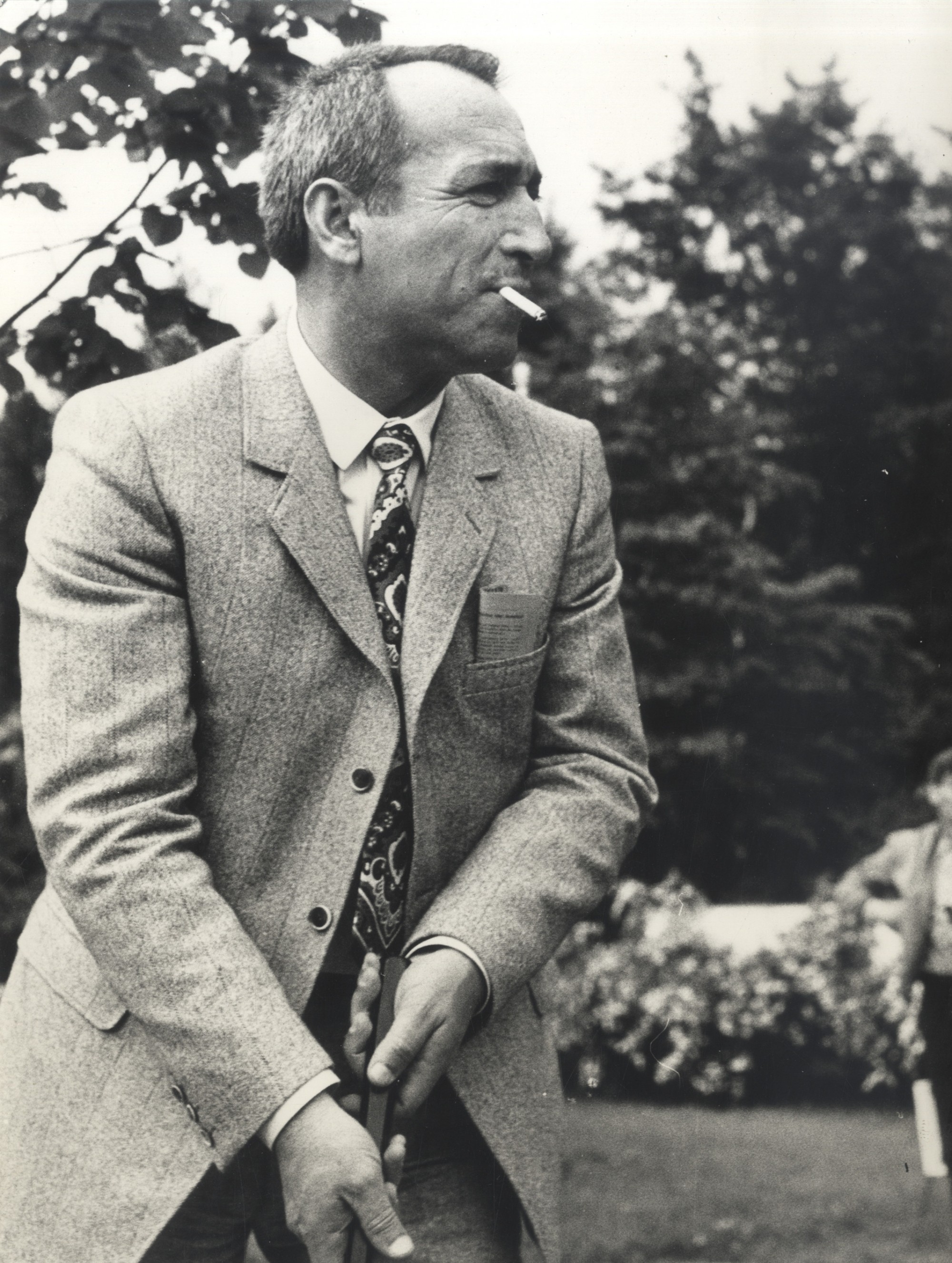
In the frame of the World Day For Audiovisual Heritage we are celebrating the 100 anniversary of the birth of Mija Aleksić, one of the greatest Serbian actors. Mija Aleksić played in more than 130 feature and television films and series and won all the most important Yugoslav film awards.
On this occasion we will open an exhibition with more than one hundred pictures, many awards and personal belongings that will take the visitors from the beginning until the end of his long and successful career in the film industry. On the same day we will screen our latest digitally restored film "Pusti snovi" (Barren Dreams) from 1968 directed by Soja Jovanović as well as the film "Čovek iz stove šume" (A Man from an Oak Forest) from 1964 directed by Miodrag Mića Popović, both featuring Mija Aleksić as the main star.
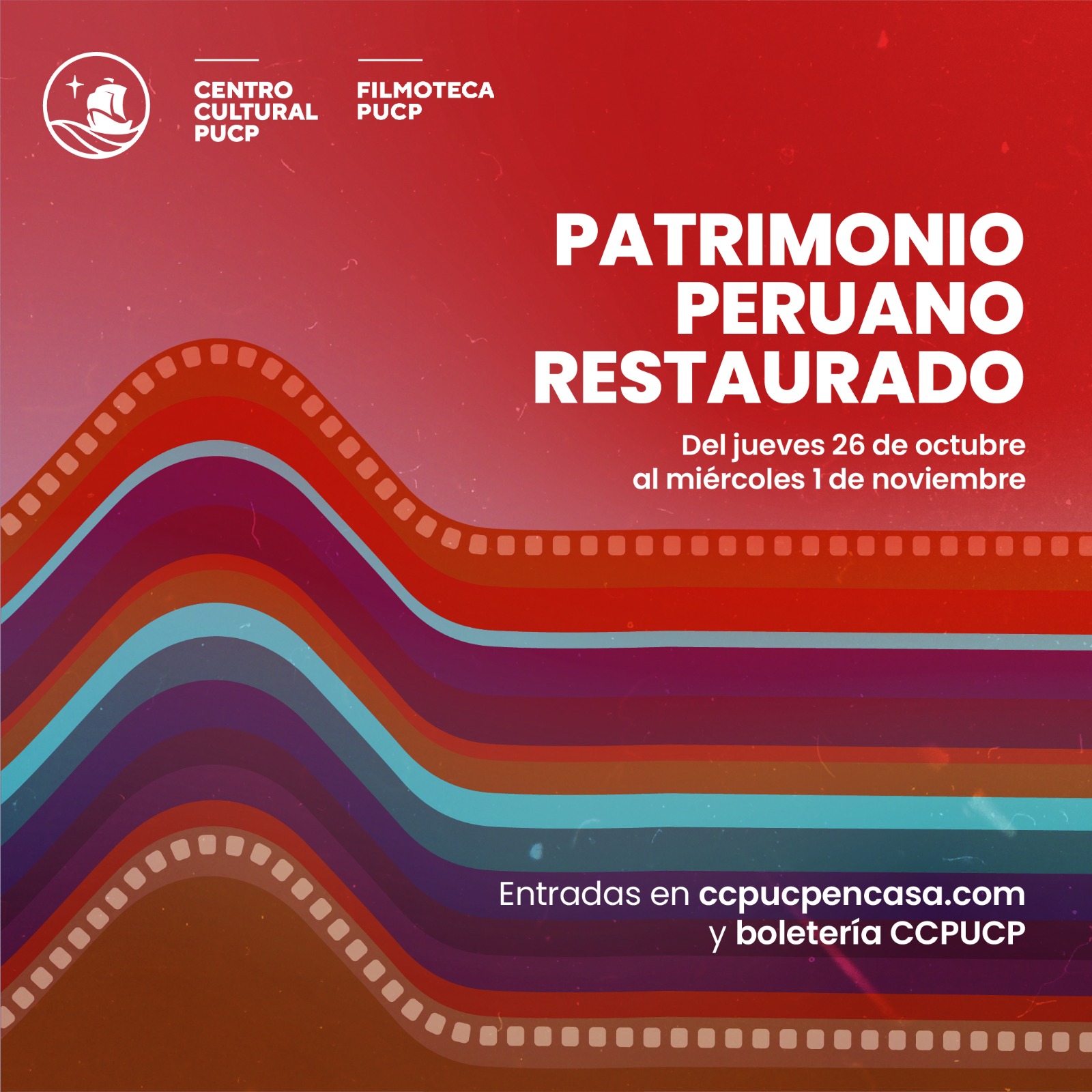
(castellano) Durante una semana (26/10/23 - 01/11/23) Se desarrollará la segunda versión del ciclo "PATRIMONIO PERUANO RESTAURADO" que organiza la Filmoteca PUCP, que se exhiben en el Centro Cultural de la PUCP. En dicha muestra exhibiremos 9 largometrajes, 1 mediometraje y 1 cortometraje que han sido restaurados recientemente y que formaron parte de la sección "Espacio Filmoteca PUCP" que se realizó en el marco del 27 Festival de Cine de Lima el pasado mes de agosto.
Adicionalmente en coordinación con el Ministerio de Cultura del Perú exhibiremos el largometraje "La Muralla verde" (1970) de Armando Robles Godoy, como parte de las actividades que venimos realizando este año por su centenario. Película restaurada por la Filmoteca PUCP, con apoyo del CCPUCP y del Vicerrectorado de Investigacion de la PUCP; exhibiremos también afiches de la obra quien es uno de nuestros mas destacados directores cinematográficos.
(english) For one week (10/26/23 - 11/01/23) the second version of the "PERUVIAN HERITAGE RESTORED" cycle organized by the PUCP Film Library will take place, which will be exhibited at the PUCP Cultural Center. In this exhibition we will exhibit 9 feature films, 1 medium-length film and 1 short film that have been recently restored and that were part of the "Espacio Filmoteca PUCP" section that was held within the framework of the 27th Lima Film Festival last August.
Additionally, in coordination with the Ministry of Culture of Peru, we will exhibit the feature film "La Muralla Verde" (1970) by Armando Robles Godoy, as part of the activities we have been carrying out this year for its centenary. Film restored by the PUCP Film Archive, with support from the CCPUCP and the Vice-Rectorate of Research of the PUCP; We will also exhibit posters of the work who is one of our most prominent film directors.
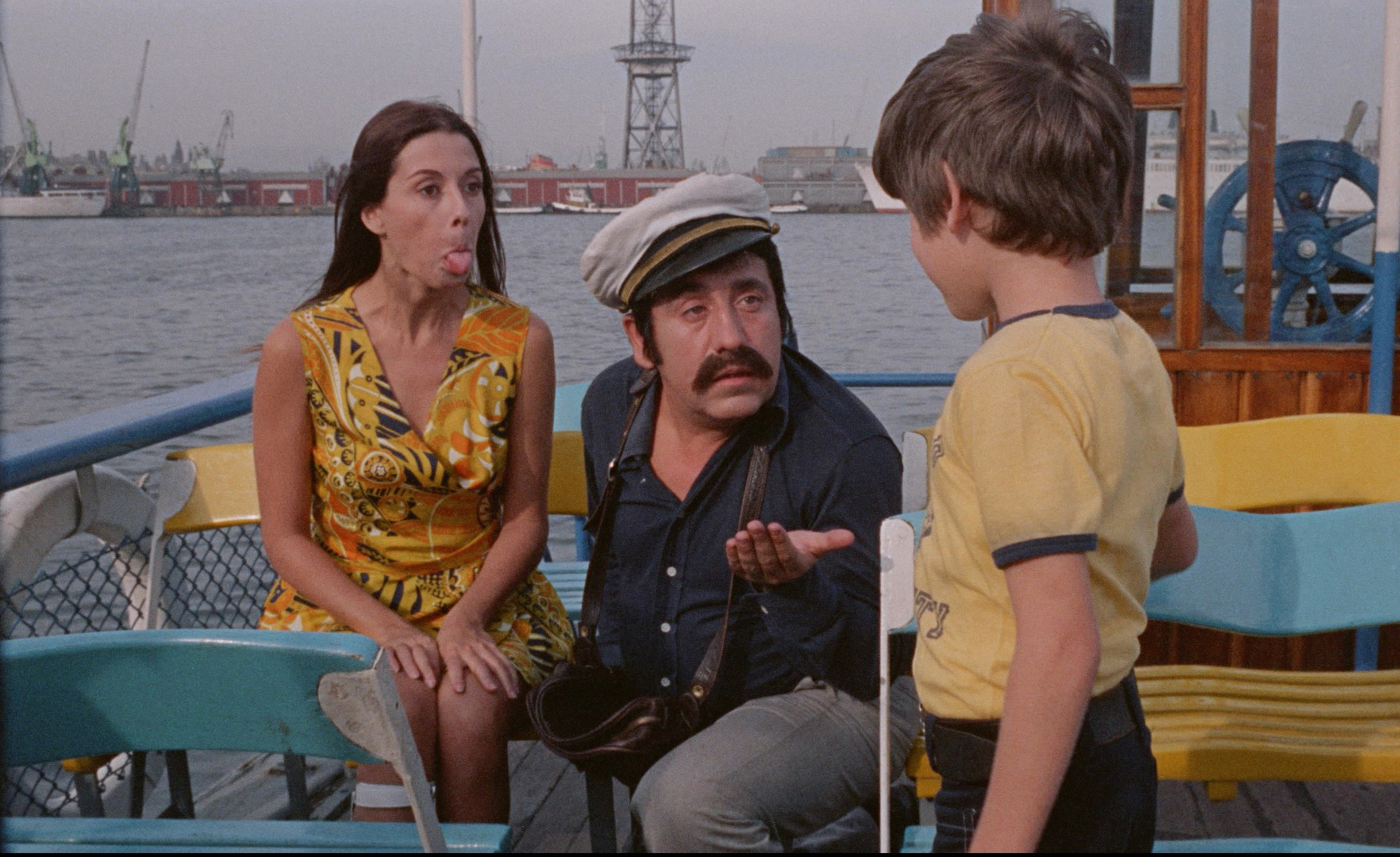
18.00h | Strafsache van Geldern (El cas Van Geldern), de Willi Volff, 1932.
Còpia restaurada pel Bundesarchiv d’Alemanya
Presentació a càrrec d’Oliver Hanley (restaurador) i Adelheid Heftberger (Bundesarchiv). Entrada gratuïta.
20.00h | Furia española, de Francesc Betriu, 1975.
Nova digitalització d'un muntatge que inclou una vintena de talls eliminats per la censura. La pel·lícula forma part del pla sistemàtic de digitalització Visibilitzem el cinema català.
Presentació a càrrec de Mònica Randall (actriu) i Esteve Riambau (director de la Filmoteca de Catalunya). Entrada gratuïta.
---------------------------------------------------------------
18.00h | Strafsache van Geldern (El cas Van Geldern), by Willi Volff, 1932.
Copy restored by the Bundesarchiv of Germany
Presentation by Oliver Hanley (restorer) and Adelheid Heftberger (Bundesarchiv). Free entrance.
20.00h | Furia española, by Francesc Betriu, 1975.
New digitization of a montage that includes twenty cuts removed by censorship. The film is part of the systematic digitization plan Visibilitzem el cinema català.
Presentation by Mònica Randall (actress) and Esteve Riambau (director of the Filmoteca de Catalunya). Free entrance.
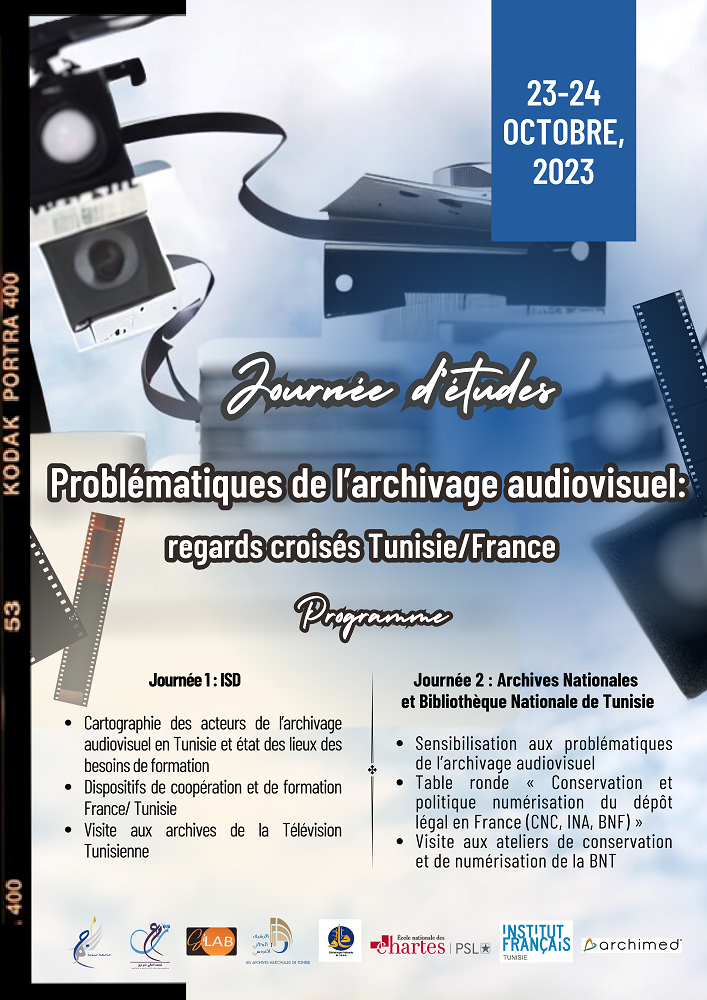
Cette manifestation est organisée dans le cadre de la chaire UNESCO "Les Archives au service des Nations et des sociétés africaines". Elle a été organisée par l'Ecole nationale des chartes, l'Institut Supérieur de Documentation de Tunis, la Bibliothèque nationale de Tunisie, les Archives nationales de Tunisie et les Archives de la Télévision Tunisienne.
A travers de journées de rencontre entre professionnels tunisiens et professionnels français, il s'agit de sensibiliser les documentalistes et enseignants documentalistes aux problématiques de l'archivage audiovisuel, mais aussi d'évaluer les besoins de formation en la matière à l'ISD.
Au programme, des tables rondes et des conférences sur les sujets suivants :
Cartographie des acteurs de l’archivage audiovisuel en Tunisie et état des lieux des besoins de formation
Formation en Archivage audiovisuel à l’ISD : présentation de parcours, bilan et perspectives d’avenir
Dispositifs de coopération et de formation France/ Tunisie
Sensibilisation aux problématiques de l’archivage audiovisuel et diversité des supports
Table ronde « Conservation et politique de numérisation du dépôt légal en France (CNC, INA, BNF) »
Des visites dans les collections sont également prévues pour les participants.

The Centre for Image Research and Dissemination (CRDI) of Girona City Council commemorates this year the World Day for Audiovisual Heritage with two events related to the centenary of home and amateur filmmaking: a conference about home movies kept at the CRDI and a screening of original 8mm and Super-8 films.
In 1923, two film formats were launched, bringing cinematographic creation closer to the people: the Pathé Baby's 9.5mm format, and the Eastman Kodak's 16mm format. This year marks the 100th anniversary of those inventions and, to commemorate it, we want to pay tribute to those who used movie cameras to record images of family life.

This year, the World Day for Audiovisual Heritage is particularly significant for us as we highlight the remarkable preservation endeavors of the South African Broadcasting Corporation (SABC), specifically in the realm of Radio Bantu. This treasure trove of historical audio content is in danger of being lost to time. Nonetheless, a concerted effort is being made to recover and reinstate this collection within the SABC's archives. Regional archivists are tirelessly working to source and retrieve these precious materials. By doing so, we not only ensure the preservation of South Africa's cultural heritage but also contribute to the global initiative of safeguarding audiovisual content for future generations.
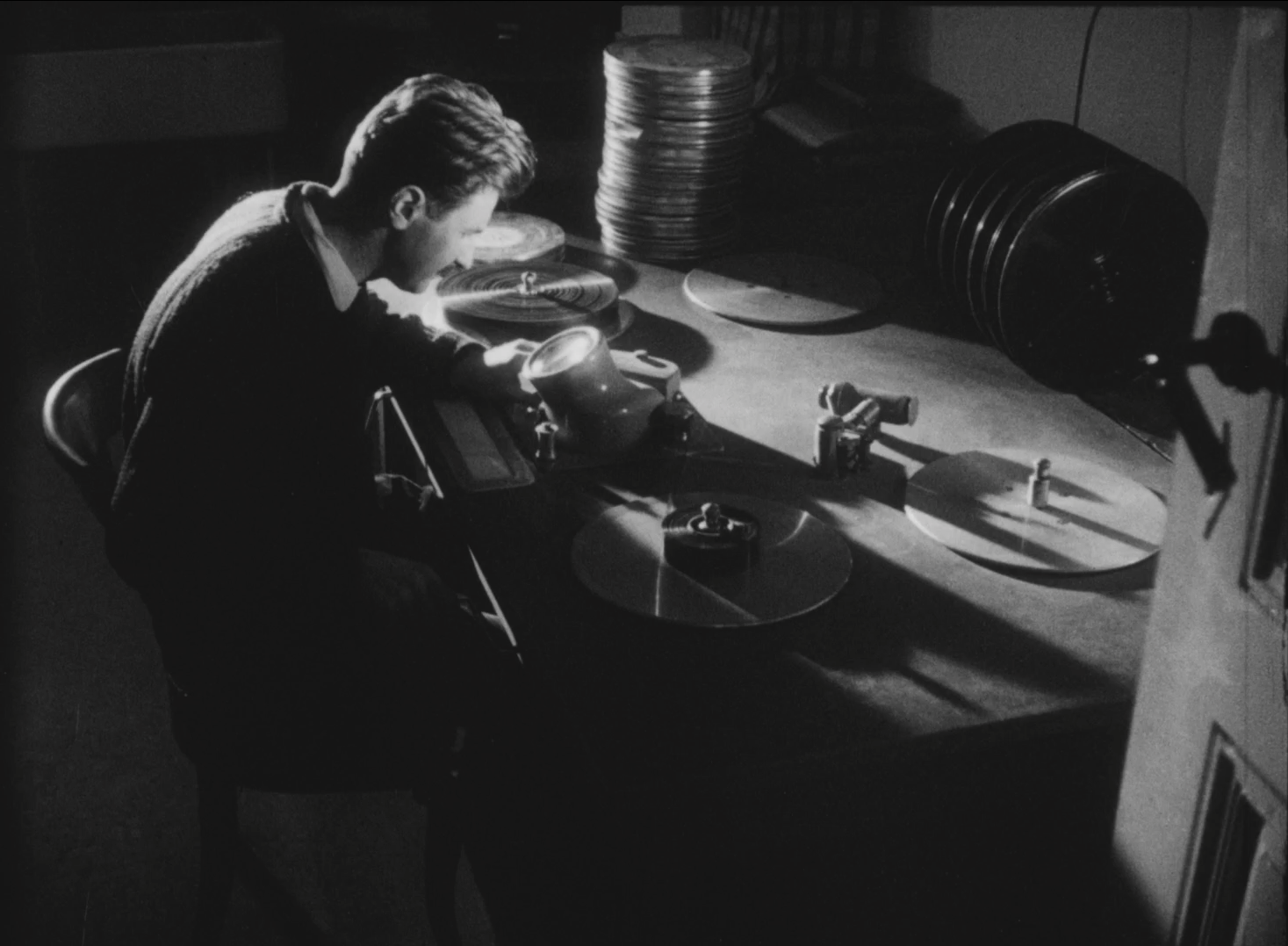
As it has been doing systematically, Cinemateca do MAM celebrates this day with a series of activities that reaffirm the importance of Audiovisual Heritage and its preservation. We will have a diverse and rich program in October around this theme, ranging from a session celebrating the centenary of the invention of the 16mm gauge, with a screening of Boudou saved from drowning (1932), by Jean Renoir (in partnership with the Cinematheque of the French Embassy in Rio), a projection of the film Praça Saens Peña (2008), by Vinícius Reis, which highlights the importance of art direction and the conservation of correlated archives (in partnership with the Brada collective and part of the International Production Design Week programming), and also the screening of the film Ulysses' gaze (1995), by Greek Theo Angelopoulos, telling a journey in search of the first images recorded in the Balkan region (with partners from France, Croatia and Belgium). On the 27th of October itself, we will have the launch of the book Revisão de Filmes: Manual Básico, by Natália de Castro (first publication of the Cinemateca's Redes em Movimento project), on which occasion we will pay tribute to the technicians and film inspectors, professionals who are the very beating heart of all film archives. Also on October 27 we will show the documentary VHS Massacre (2016), by Kenneth Powel and Thomas Edward Seymour, which marks the opening of the second Troma América Latina Festival and deals with the history of the introduction and obsolescence of magnetic media and its effects on independent films.
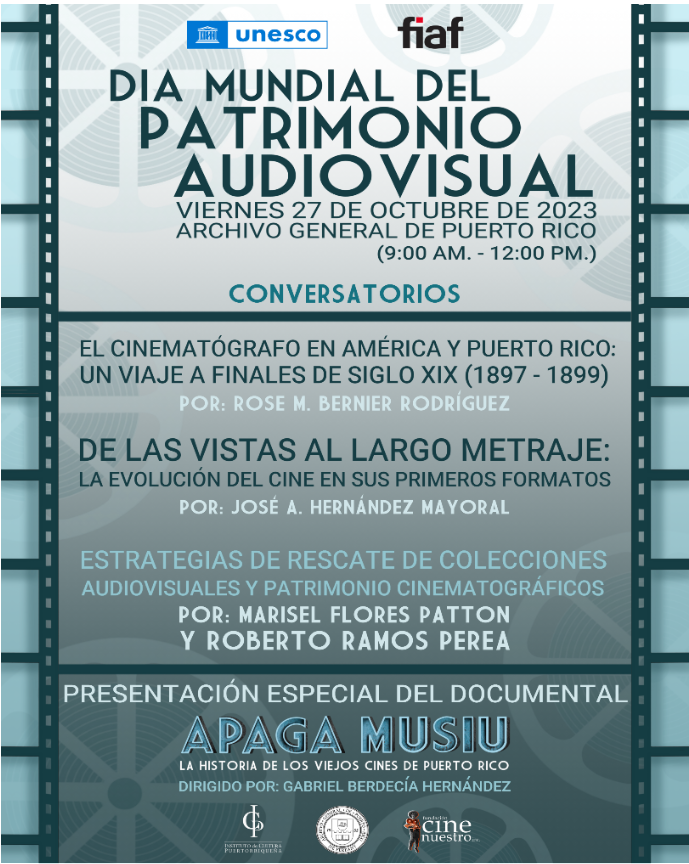
Es un honor extenderles una cordial invitación para unirse a nosotros en la celebración del Día Mundial del Patrimonio Audiovisual de la UNESCO. Este año, nuestro archivo se enorgullece de presentar a dos distinguidos investigadores del cine en Puerto Rico, la Sra. Rose Marie Bernier y el Sr. José A. Hernández, quienes compartirán sus investigaciones sobre las primeras exhibiciones del cinematógrafo en Puerto Rico y América Latina.
Esta actividad promete ser una oportunidad única para sumergirse en la rica historia del cine en nuestra región. La Sra. Rose Marie Bernier es una experta reconocida en el campo y ha dedicado años de estudio a rastrear los orígenes del cinematógrafo en Puerto Rico y América Latina. El Sr. José A. Hernández, por su parte, nos brindará una visión detallada de las primeras experiencias cinematográficas del público en Puerto Rico. Sus investigaciones revelarán la fascinante evolución de la industria del cine en nuestros territorios.
Además de la participación de estos dos renombrados investigadores, contaremos con la presencia de nuestros colegas Marisel Flores y Roberto Ramos. Juntos, explorarán estrategias clave para localizar y preservar el patrimonio cinematográfico. A medida que el mundo del cine continúa avanzando, es fundamental recordar y proteger las joyas de nuestro pasado cinematográfico. Marisel y Roberto nos guiarán a través de las mejores prácticas y herramientas que permitirán a los archivos preservar y compartir este patrimonio invaluable.
Este evento no solo es una oportunidad para aprender de expertos en el campo, sino también para conectarse con otros entusiastas del cine, archivistas y amantes de la historia audiovisual. Juntos, podemos trabajar para preservar y celebrar la herencia cinematográfica de nuestra región. Además exhibiremos el documental APAGA MISIÚ: La historia de los viejos cines de San Juan realizado por el joven cineasta Gabriel Berdecía. Esta actividad también es auspiciada por Cine Nuestro Inc.
To mark the UNESCO World Day for Audiovisual Heritage, an annual event which aims to raise awareness of the need for film preservation and the conservation of our audiovisual heritage, TIFF Cinematheque in partnership with TIFF's Film Reference Library is proud to present a 4K restoration of Cecil B. DeMille’s, Joan the Woman with a pre-recorded introduction from George Eastman Museum’s Preservation Manager Anthony L'Abbate.

Symposium: “Japan-Korea Projectionist Meeting - Projectionist at Work ”
Workshops: “Film Projection for Beginners” and “Learning the Use of a Portable Projector”
Special Screening
In the symposium, we will have a lecture and also a discussion joined by the Japanese and Korean projectionists. The speakers will broadly discuss the works of film projectionist by sharing their knowledge and experience. The topic will include the art, beauty and thrill of film screenings. They will also give the presentations on the current situation of film exhibitions in both countries, referring to the international exchange and the possibility of future collaboration.
The workshops will offer the learning opportunities on the practical skills, technique and technology of the film projection.
In special screening, we will exhibit
“Where Spring Comes Late” (1970/106min/Japan/ Dir. Yoji Yamada)
“Ode to My Father” (2014/127min/CJ Entertainment/ Dir. Yoon Je-kyoon)
“A Vanishing Trade” (2001, 23 min, Mongolia, Dir. D. Tsenddorj / T. Sarantuya)that is in our archived collection.
This program is a collaboration between Japan Community Cinema Center, the Preliminary Committee of Japan-Korea Projectionist Meeting in Fukuoka and the Fukuoka City Public Library Film Archive.

Utaina is a multi-year collaborative digitisation project between Archives New Zealand, National Library of New Zealand, and Ngā Taonga Sound and Vision to digitise over 400,000 items held in our audiovisual collections. Come hear about how we navigate our way through this once-in-a-lifetime opportunity to preserve and ensure ongoing access to this rich taonga!
Facebook event: https://www.facebook.com/events/844529060670014
This is an in-person event in Wellington, New Zealand.
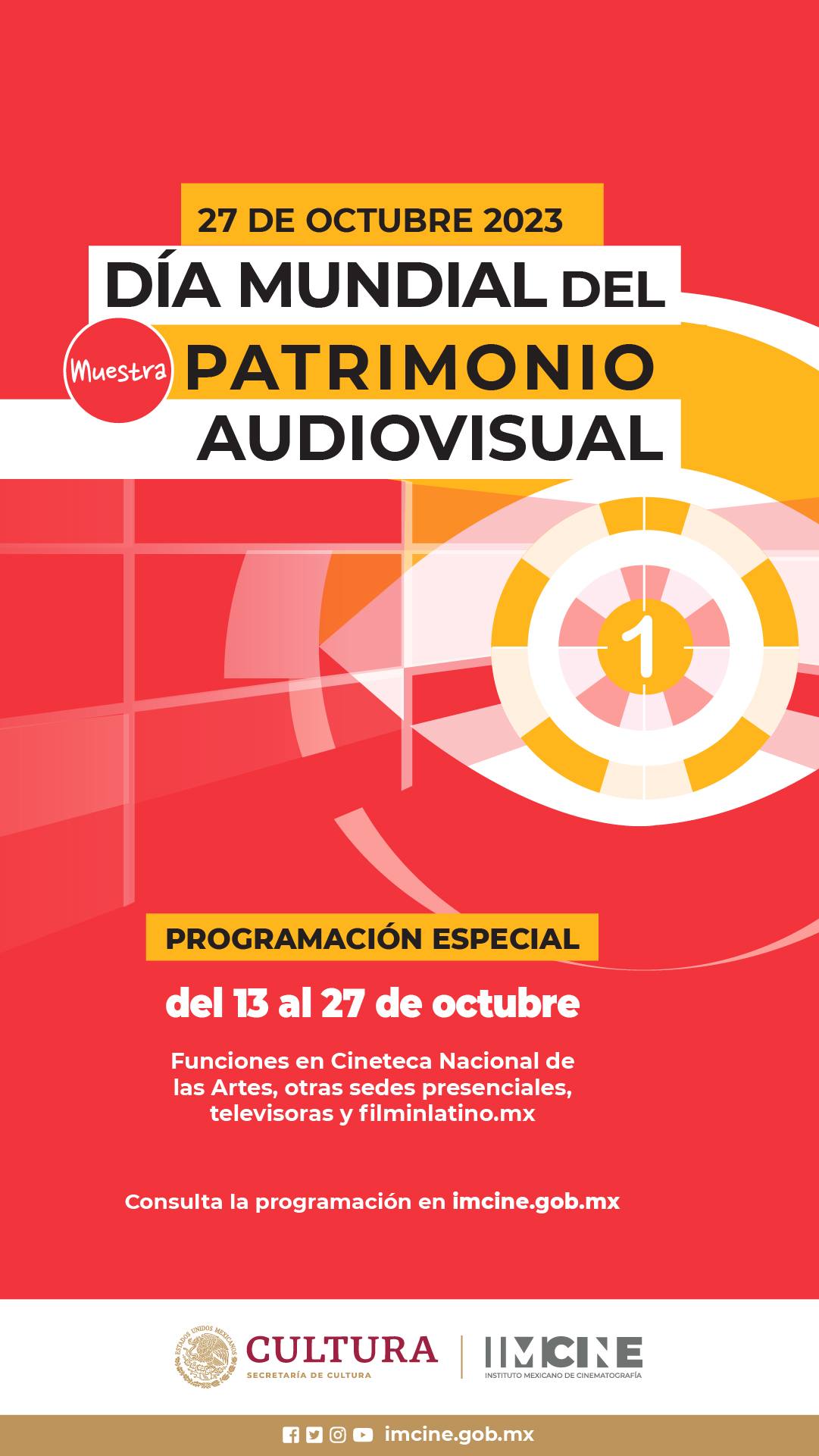
Este año, la programación de la muestra del Patrimonio Audiovisual busca reavivar el vínculo de las audiencias con la historia del cine mexicano, permitiéndonos explorar el pasado para descubrir conexiones con nuestro presente. Esto se logrará a través de una programación especial con dos ejes primordiales: películas que se han recuperado recientemente, a través de diferentes procesos de digitalización; y películas realizadas con found footage, recuperando material audiovisual para presentarlo como una nueva propuesta. La programación se compone de siete largometrajes y dos programas de cortometrajes. Entre los largometrajes presentaremos Tres tristes trenes o Tres extrañas historias, compuesta por tres cortometrajes del Centro de Producción de Cortometraje (CPC) que regresan a la pantalla después de 40 años.
Este programa especial narra nuestras celebraciones, costumbres y formas de vida y nos lleva de paseo por diversos estados del país.
Se realizarán 52 funciones en 11 sedes de ocho estados del país: Ciudad de México, Durango, Michoacán, Morelos, Querétaro, Sonora, Yucatán y Zacatecas.
La programación tendrá 147 transmisiones en 23 televisoras, tres de ellas de alcance nacional: Sistema Público de Radiodifusión del Estado Mexicano (Canal 14, 14.1); Ingenio TV de la Coordinación General @aprende.mx (Ingenio Tv, 14.2); y el Canal del Poder Judicial de la Federación (JusticiaTV), además de 20 televisoras en 17 estados del país: Aguascalientes, Campeche, Ciudad de México, Coahuila, Colima, Durango, Hidalgo, Jalisco, Morelos, Nayarit, Nuevo León, Oaxaca, Puebla, Querétaro, Sinaloa, Tlaxcala y Zacatecas.
This is the Sixth Exibition held by Pameran Arsip UGM.
This year, we are back with the theme “Archiving The Pandemic Covid-19: Sejarah, Perjuangan, dan Harapan”
You can join the Pameran Arsip UGM 2023 event without charge! FREE!
What are you waiting for, we are waiting for your visit!
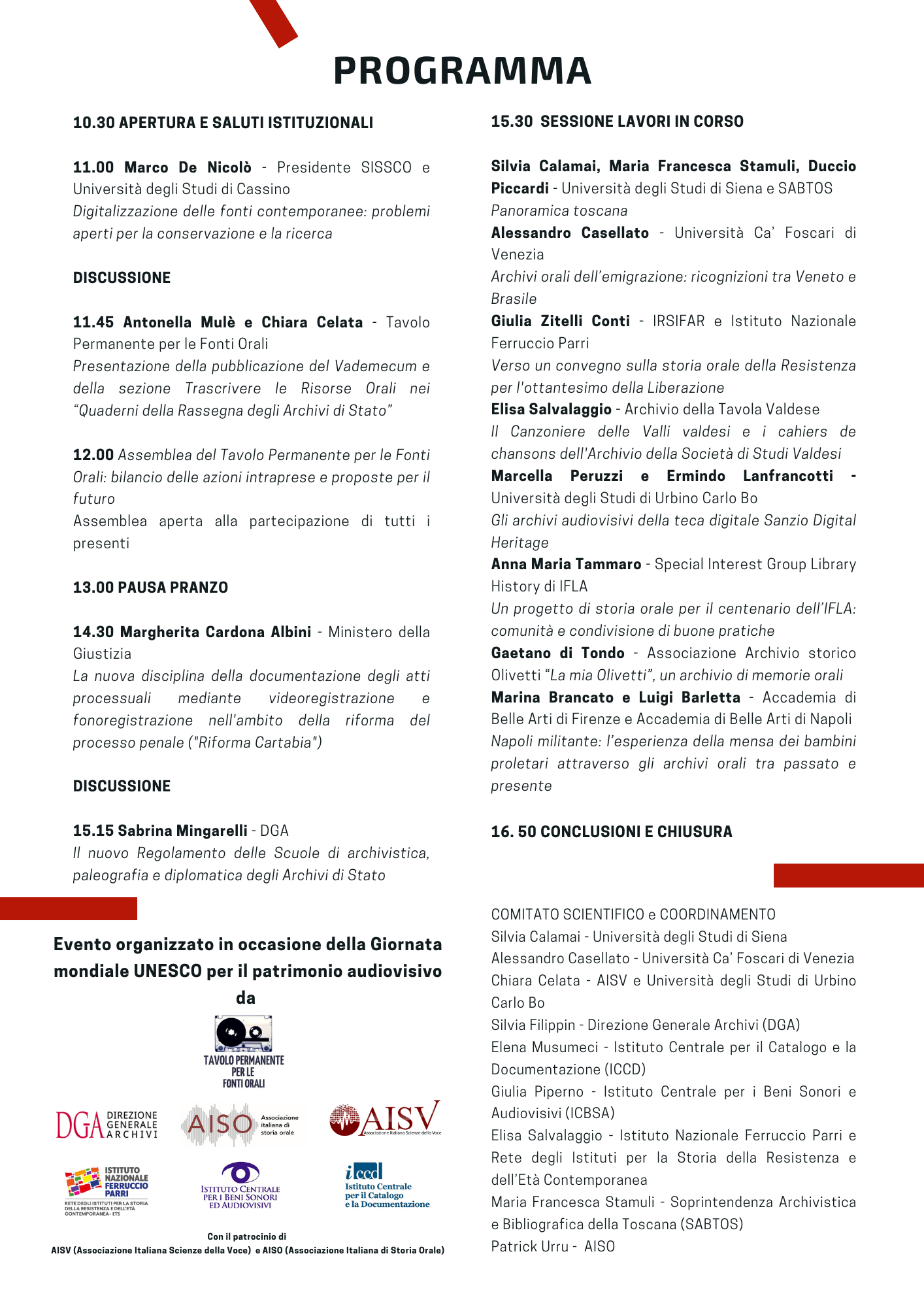
This is the fourth conference of the"Italian Working Table on Oral Sources" that has coordinated the work, starting in 2019, of conceiving, drafting and publishing the Vademecum for Oral Sources (in Italian): a reference text for those approaching oral archives. The text addresses issues related to oral archives source processing, digitization, and archival description, as well as legal issues associated with the dissemination of oral archives (privacy and copyright issues). One section is devoted to the different types of transcription.
For the first time in Italy, different institutes of the ministry, private foundations and institutes, universities, and different disciplinary associations have worked together to arrive at a shared document that allows new generations to approach oral sources with awareness and competence.
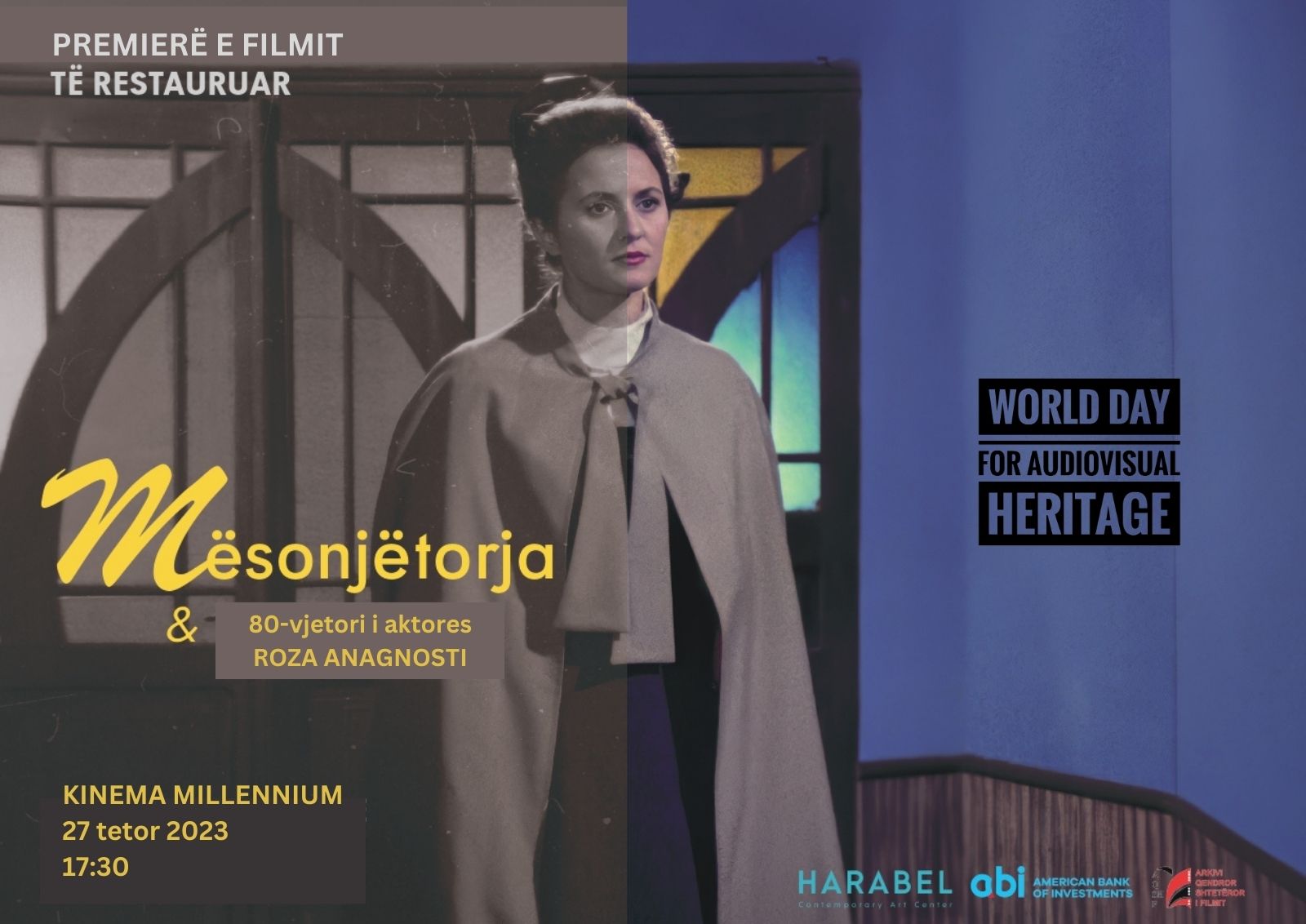
On October 27th, 2023, we celebrate the World Day of Audiovisual Heritage with the premiere of our latest restoration project "Mësonjëtorja" (The School), a 1979 movie by Muharrem Fejzo. 27 October also marks the 80th birthday of Albanian actress Roza Anagnosti, who plays Dafina, the teacher at "The School". Many celebrations this year in Tirana, as a tribute to our audiovisual heritage!
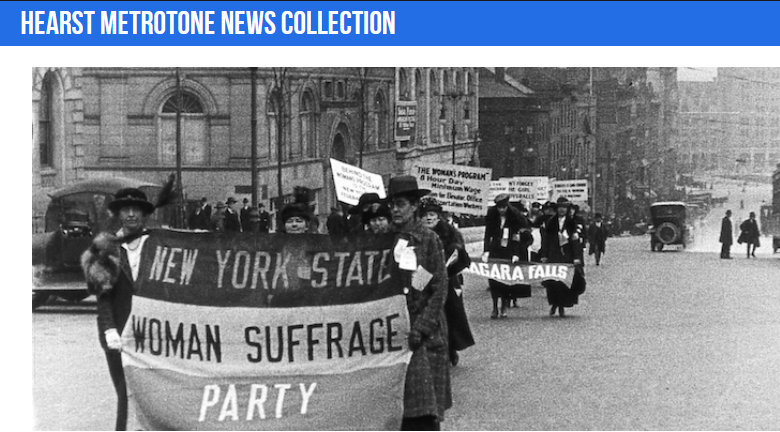
Part of the Hearst Metrotone News Collection. Explore thousands of newsreels online courtesy of the Archive and the Packard Humanities Institute.
Newsreel Spotlight: “Mexican Steppers Show Their Stuff” (5/13/1931)L -- “Contest held in Los Angeles to pick the best dancers for California City’s 150th birthday fete.”
Newsreel Spotlight: “Paris Reveals Fall Fashions!” (9/4/1950) -- Paris Fashion Week may be over, but plenty of sartorial inspiration can be found in our newsreel collection. Here, models showcase the latest designs from Christian Dior in 1950. (Note: footage does not include sound).
The UCLA Film & Television Archive and The Packard Humanities Institute are pleased to host this new website (newsreels.net) giving access to nearly 15,000 newsreel stories from the Hearst Metrotone News Collection owned by the University of California. The website is the first phase of a multi-year project to make the entire Hearst newsreel collection accessible to the public. The joint project is led by the Packard Humanities Institute, which has built nitrate film storage vaults for the Archive, and provided funding, equipment and technical support for the large scale-digitization project.
From the early teens through the late 1960s, newsreels were an integral part of motion picture exhibition in America. Although the reels were fashioned, for the most part, to be entertaining, they uniquely document the domestic and international events of their time.
The Archive is grateful to The Packard Humanities Institute for its role as the driving force in the project to share the Hearst Metrotone News Collection for research, study and public access.
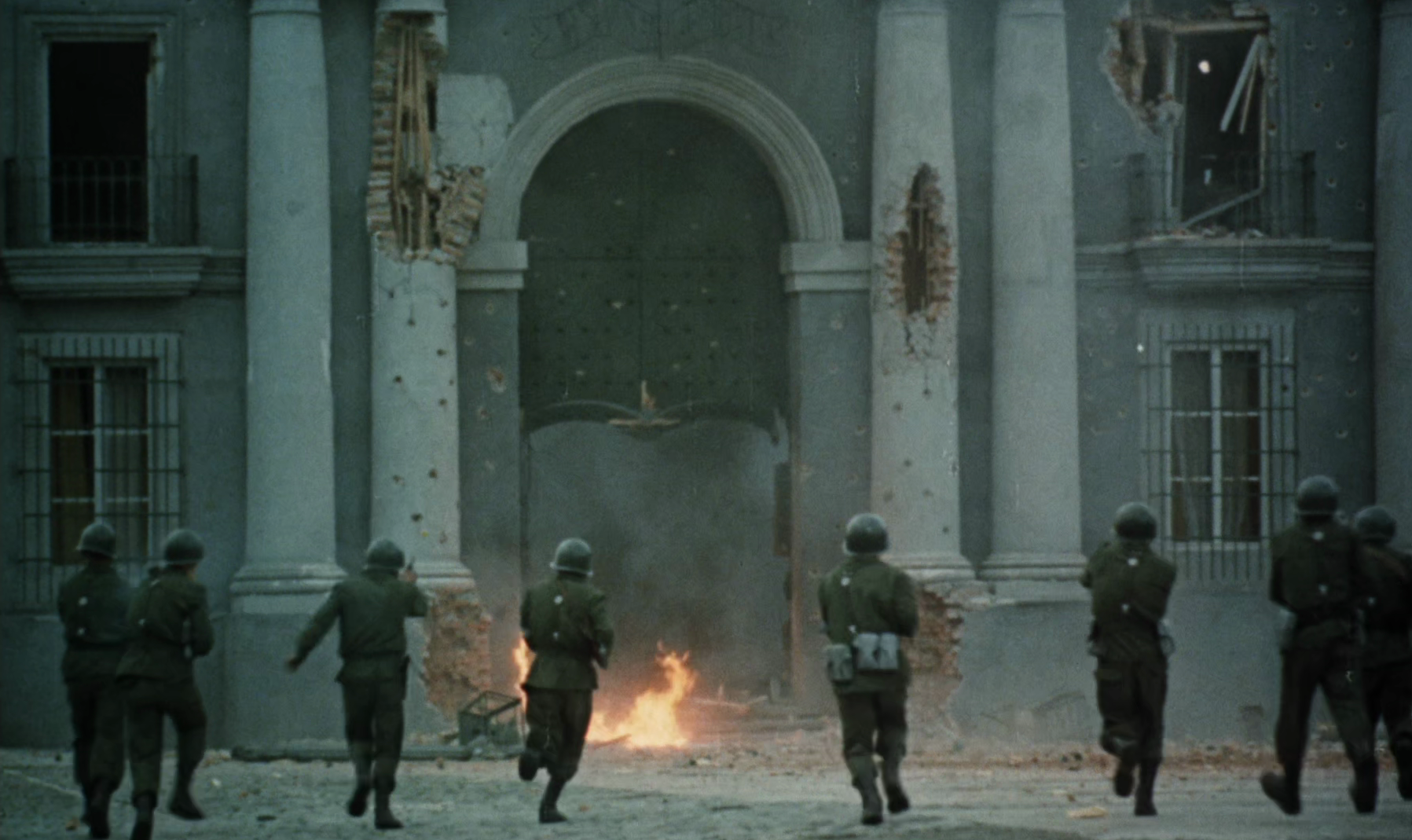
To commemorate the World Day for Audiovisual Heritage, Cineteca Nacional de Chile will present a special function this Thursday, October 26th at 19:00 hours, screening the film It's raining on Santiago (1975) of Chilean filmmaker Helvio Soto.
It's raining on Santiago was the first feature film telling the coup d'état of 1973, depicting torture, kidnapping and disappearances that took place in the early days of the dictatorship. The movie couldn't be premiered in Chile because it was forbidden by the military regime.
The film was shot in 1975 in France and Bulgaria, and participated Astor Piazzolla, who wrote the original score, and French actors Jean-Louis Trintignant and Annie Girardot.
The print that will be screened is preserved in the National Film Archive of Czech Republic, who gave us a 4K digital copy. To Cineteca Nacional de Chile this function marks the beginning of the work of recovering and repatriating the films of Chilean filmmaker Helvio Soto, which are mainly in France, country where he settled when he was exiled by the military dictatorship.
Opening just before World Day for Audiovisual Heritage, the Asian Film Archive will be presenting the second edition of Monographs, presented in the form of an exhibition and film programme. The interactive exhibition will feature the commssioned video essays that make use of often, archival footage, and the film screening programme will consist of films related to the written essays, including The Cloud Capped Star (1960, Ritwik Ghatak).
-
Monographs is a series of video and text essays on Asian cinema commissioned by the Asian Film Archive (AFA). Initially conceived during the outbreak of COVID-19 when physical screenings were disrupted, Monographs offers a critical platform for writers and thinkers to discourse upon the moving image beyond the walls of the cinema. The second edition of Monographs consists of 13 commissioned works—seven video essays and six written essays—produced in consultation with filmmaker/editor Daniel Hui and researcher/curator Matthew Barrington.
Responding to changing geological and socio-political landscapes, Monographs 2023: sinking, shifting, stirring interrogates how the environment, climate, and human and non-human relationships might be re-imagined. Evoking cycles of geological transformation, the anthology explores how cinematic representations of the environment move through cycles of dissolution, transformation and rebirth.
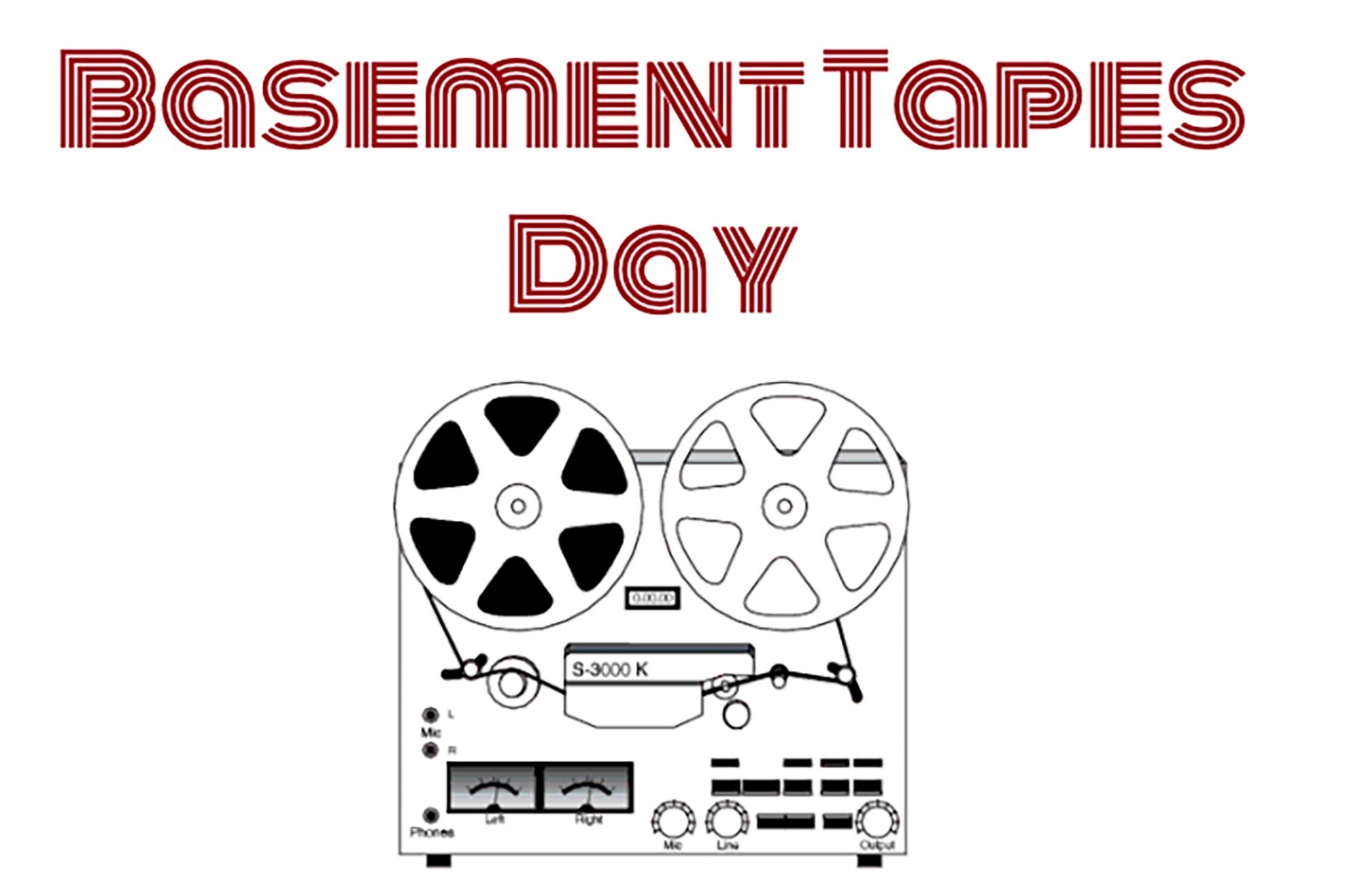
Basement Tapes Day provides the public with access to vintage audio playback devices so they can listen to the home recordings on open-reel tapes, cassettes, and microcassettes that have been sitting in their attics or basements for years. The annual event is staffed by volunteers from Los Angeles’ audio preservation community — archivists, engineers, collectors, restoration experts, conservators, and graduate students from UCLA’s Media Archival Studies program. Attendees can hear and publicly share their tapes, while learning about the history of recorded sound, common deterioration issues with magnetic audio formats, and how to best store and care for their collections. If you would like to have your tapes digitized before the event, please email basementtapesday@gmail.com by October 16, 2023. Otherwise, bring your tapes to the LA Archives Bazaar from 1-3pm to have them inspected and played back at the event.

ELIZABETH (Shekhar Kapur, 1998, 35mm, 124 mins)
25th anniversary screening! Cate Blanchett is England’s Queen Elizabeth I—daughter of Anne Boleyn—early in her reign in a drama of “style, passion, and intelligence” (Russell Smith) “steeped in rich, saturated colors and emotions” (Roger Ebert). Lavish design, gorgeous cinematography, and a majestic supporting cast earned ELIZABETH twelve BAFTA nominations and five wins.
Presented as part of "Boleyn & Beyond", a two-film series presented in conjunction with the Yale University Library exhibition "Anne Boleyn: Life and Legend" (curated by Yale undergraduate Hannah Oblak '24), on view in Yale's Sterling Memorial Library from October 16, 2023, through April 21, 2024. The "Boleyn & Beyond" screenings are free and open to the public, with prints from the Yale Film Archive.
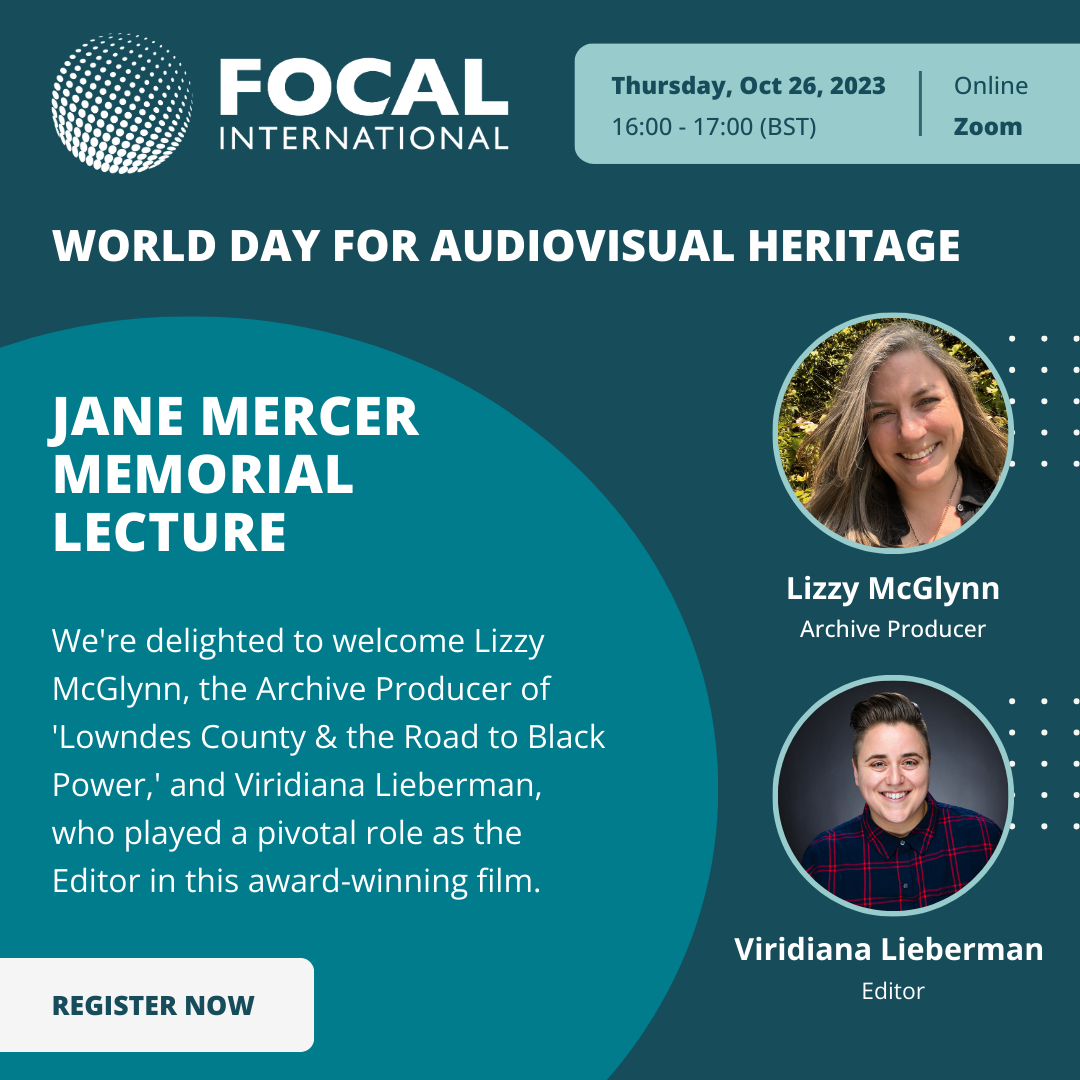
Zoom Online: 16:00 - 17:00hrs (BST)
To celebrate World Day for Audiovisual Heritage this year we continue with our successful series of the Jane Mercer Memorial Lecture and are pleased to announce Archive Producer Lizzy McGlynn, alongside Editor Viridiana Lieberman have agreed to take part to discuss their work on the Emmy Awards winning documentary 'Lowndes County & the Road to Black Power', directed by the acclaimed by Sam Pollard & Geeta Gandbhir.
The relationship between Archive Producer and Editor is an essential one. In this webinar we hear how Lizzy and Viridiana worked closely together to seek out and use remarkable rich archive footage that tells the unfolding intense story of the local movement and young Student Nonviolent Coordinating Committee (SNCC) organizers who fought not just for voting rights in 1965, but for Black Power in Lowndes County, USA. Lizzy's exceptional work to exploring previously unreleased footage led to the discovery material. Her efforts not only played a crucial role in shaping the production but also earned her the prestigious Jane Mercer Researcher of the Year FOCAL Award in 2023.
Speakers:
Lizzy McGlynn is an NYC based Archival Producer specializing in historically immersive documentaries told through story-driven archive. In 2023, Lizzy received both the Emmy Award for documentary research and the FOCAL Jane Mercer Researcher of the Year award for her work “Lowndes County & the Road to Black Power”.
Viridiana Lieberman is a filmmaker based in Brooklyn, NY. She edited the feature documentaries The Sentence (HBO), which won the 2018 Sundance Film Festival US Documentary Audience Award and the 2019 Emmy for Exceptional Merit in Documentary Filmmaking and I Am Evidence (HBO) which won the 2019 News & Doc Emmy for Best Documentary and the short documentary, Through Our Eyes: Apart (HBO Max) which won the 2021-2022 News & Doc Emmy for Outstanding Short Documentary. S
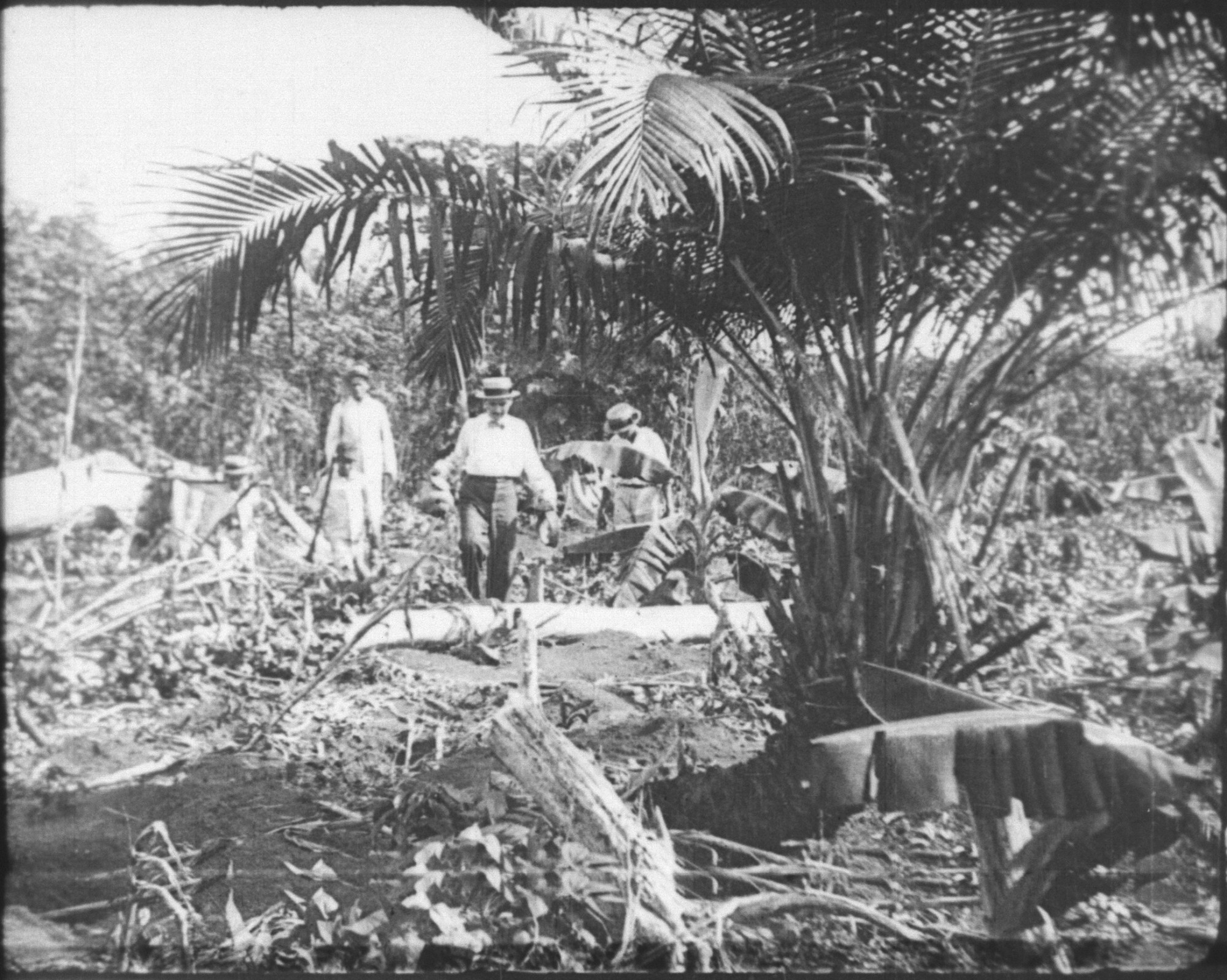
Národní filmový archiv, Prague will celebrate World Day for Audiovisual Heritage during the Ji.hlava International Documentary Film Festival with the screening of recently identified Brazilian documentary film Amazonas, maior rio do mondo, produced in 1918. This film, which had been considered lost, was shot by Silvino Santos and is a key oeuvre for the history of South American film history, but also a colonial testimony that indirectly speaks about what it conceals. Curator Jay Weissberg from Pordenone Silent Film Festival identified the film during his research visit to the Národní filmový archiv, Prague. Later on, the Cinemateca Brasileira confirmed this finding.
The Cinemateca Brasileira is currently emerging from the extremely hard period which almost led to its liquidation under the Bolsonaro administration. This is also why it is necessary for this film to be symbolically returned to its country of origin. Cinemateca Brasileira will undertake further screenings of this documentary, enriching it with appropriate contexts and offering a critical reading of it.
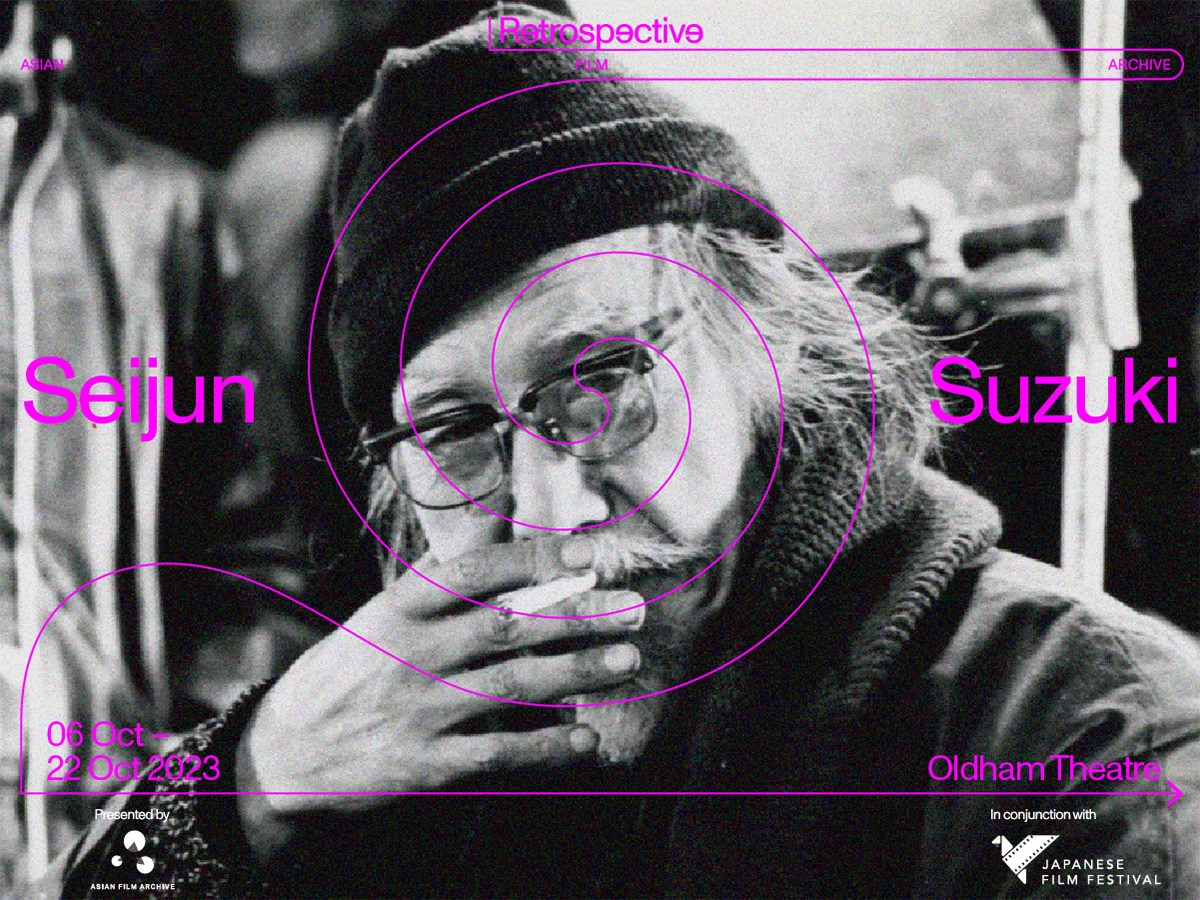
Retrospective is a regular series showcasing bodies of work from an extended period of activity by filmmakers of different eras. Devoted to the region’s film history, contributions and movements within the industries in Asia, the platform focuses on particular profiles, themes and aesthetics to allow audiences to experience past and ongoing cinematic transformations.
—
On the occasion of 100 years since the birth of singular Japanese director Seijun Suzuki (1923-2017), the Asian Film Archive presents a selection from his vast and colourful filmography.
The seven featured films draw attention to two significant points in Suzuki’s career. The first looks at the gritty, rambunctious crime and gangster films he made at the Nikkatsu studios in the 1960s and his collaborations with action star Jo Shishido. The four works selected from this period start from 1963, with the wild and uproarious Detective Bureau 2-3: Go to Hell, Bastards! and Youth of the Beast—the latter regarded as his breakthrough work and a key influence on the yakuza genre. 1964’s Gate of Flesh is a harsh, yet visually dynamic post-war drama. Lastly, the outrageous and stylish Branded to Kill (1967), notorious for causing Suzuki’s dismissal from Nikkatsu and subsequent blacklisting by the industry.
Making his debut in the mid-50s, Suzuki was a contract director for B-movies, quick and cheap flicks typically screened after the more expensive, prestige pictures. He overcame the gruelling conditions and meagre resources thrown at him, creatively transforming conventions into opportunities for play and experimentation, pushing the form further and further with each new film. Burned by the fallout with Nikkatsu, Suzuki withdrew from cinema. He continued to work in television and only returned to film a decade later.
The second part of this programme represents Suzuki’s comeback with the Taisho trilogy: Zigeunerweisen (1980), Kagero-za (1981) and Yumeji (1991). Produced independently, these works are loosely connected by being set during the Taisho era (1912-1926), an explosive period of artistic and intellectual activity in Japan’s history. Hallucinatory, spectral and dreamlike, these austere masterpieces—markedly different from his earlier career—are nonetheless still bursting with ideas and cinematic fervour.
Energised by the commercial and critical success of his later works, Suzuki continued to make films until the mid-2000s and even had a career as an actor. In 2017, he passed away at the age 93. The legacy of Seijun Suzuki’s body of work is that of an artist whose brilliance and verve could not be restrained. Working within the limitations of structures, his career represents a lifelong mission to reinvent the ecstatic possibilities of the filmic medium.
– Viknesh Kobinathan, Programmer
Retrospective: Seijun Suzuki runs from 6-22 October 2023 at Oldham Theatre. This programme is held in conjunction with Japanese Film Festival Singapore, with support from the Japan Foundation.
La edición de este año es más ambiciosa que nunca y no se limita a las proyecciones en horario habitual. Por la mañana tendrán lugar dos talleres divulgativos: ¿Qué es una filmoteca?, sobre la vulnerabilidad del cine en soporte fotoquímico, de los retos de la conservación y del origen del cine valenciano, y Las imágenes de los recuerdos, un viaje en el tiempo por la València del pasado en el que un público intergeneracional interactúa con los fragmentos proyectados en la pantalla.
18 h: celebramos el centenario del 9,5 mm con la proyección de 9 ½, una iniciativa de la asociación Inédits junto a Home Movies- Archivio Nazionale del Film di Famiglia, realizada íntegramente con películas en ese soporte de cine no profesional. Una lírica compilación de imágenes filmadas por cineastas amateur de todo el planeta a lo largo de estos cien años.
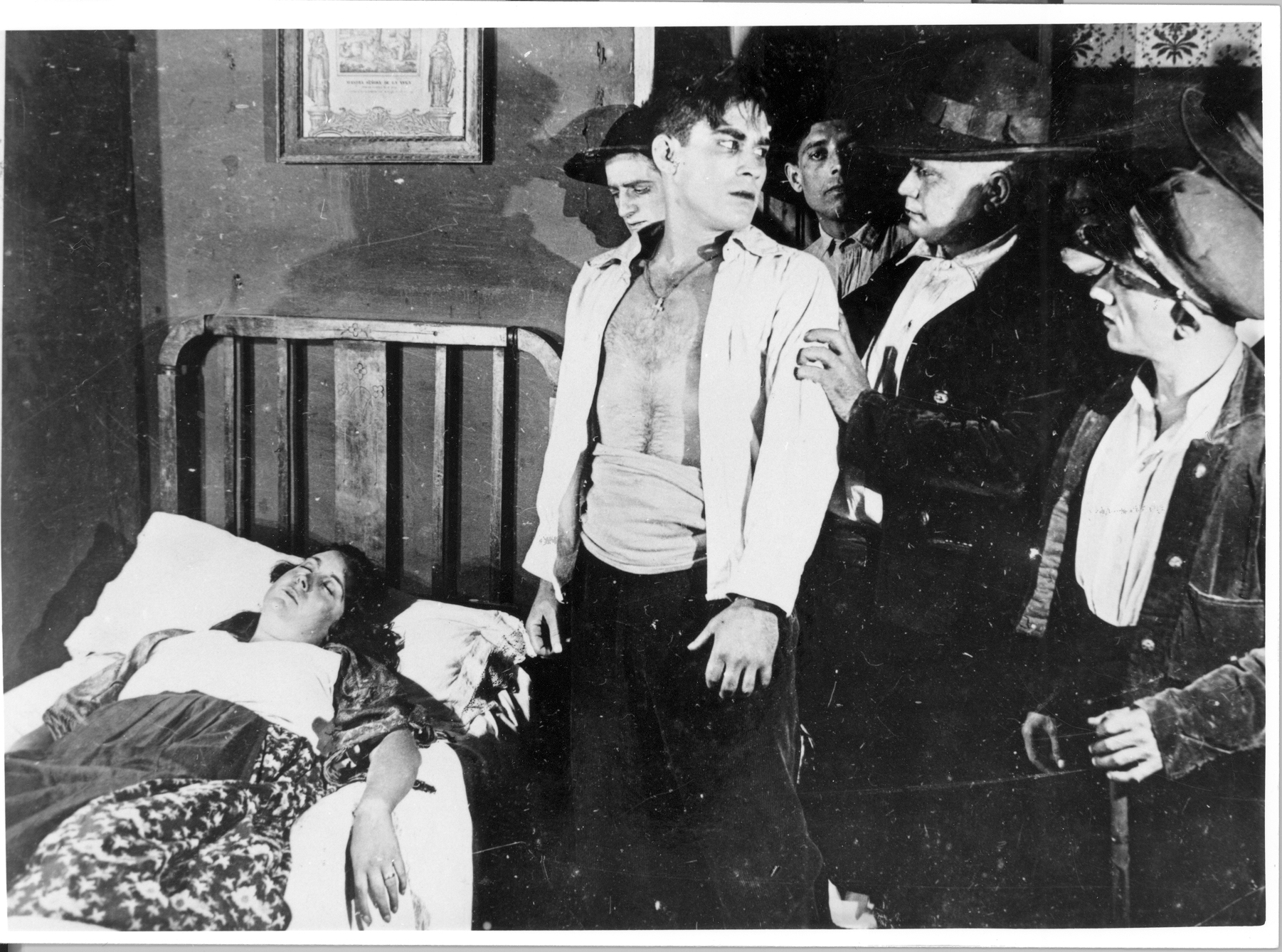
20 h: sesión doble con la proyección de La Montagne Infidèle, un cortometraje inédito de Jean Epstein recuperado en 2021 por la Filmoteca de Catalunya, y el drama rural Voluntad, una obra impulsada, producida e interpretada por Agustín Caballero en 1928. Antes de su proyección se presentará el libro Voluntad. Agustín Caballero fent cinema a Carcaixent, 1928. Música de piano en directo compuesta e interpretada por Arcadi Valiente.
A lo largo de todo el día se podrá vivir la experiencia de entrar en una cámara oscura gigante instalada delante del edificio Rialto para entender mejor los principios técnicos que hicieron posible la aparición de la fotografía y, más tarde, del cine. Junto a ella, podrá visitarse una pequeña exposición que pretende acercar a la ciudadanía las nociones fundamentales del patrimonio audiovisual y los desafíos de su conservación y restauración. Todas las proyecciones y actividades son gratuitas.
This year's edition is more ambitious than ever and is not limited to screenings at the usual times. In the morning there will be two workshops: What is a film library?, on the vulnerability of film on photochemical support, the challenges of conservation and the origin of Valencian cinema, and The images of memories, a journey through time through the València of the past in which an intergenerational audience interacts with the fragments projected on the screen.
6 p.m.: we celebrate the centenary of 9.5 mm with the screening of 9 ½, an initiative of the association Inédits together with Home Movies- Archivio Nazionale del Film di Famiglia, made entirely with films on this non-professional film support. A lyrical compilation of images filmed by amateur filmmakers from all over the world over the last 100 years.
8 p.m.: a very special double session in which we present to the public an unpublished short film by Jean Epstein, La Montagne Infidèle, recovered in 2021 by the Filmoteca de Catalunya, and the rural drama Voluntad, promoted, produced and performed by Agustín Caballero in 1928. Before the screening, the book Voluntad. Agustín Caballero fent cinema a Carcaixent, 1928 will be presented.
Throughout the day, visitors can enjoy the experience of entering a giant camera obscura installed in front of the Rialto building to better understand the technical principles that made possible the emergence of photography and, later, of cinema. A small exhibition will also be on display, which aims to give the public a better understanding of the fundamental notions of audiovisual heritage and the challenges of its conservation and restoration. All screenings and activities are free of charge.
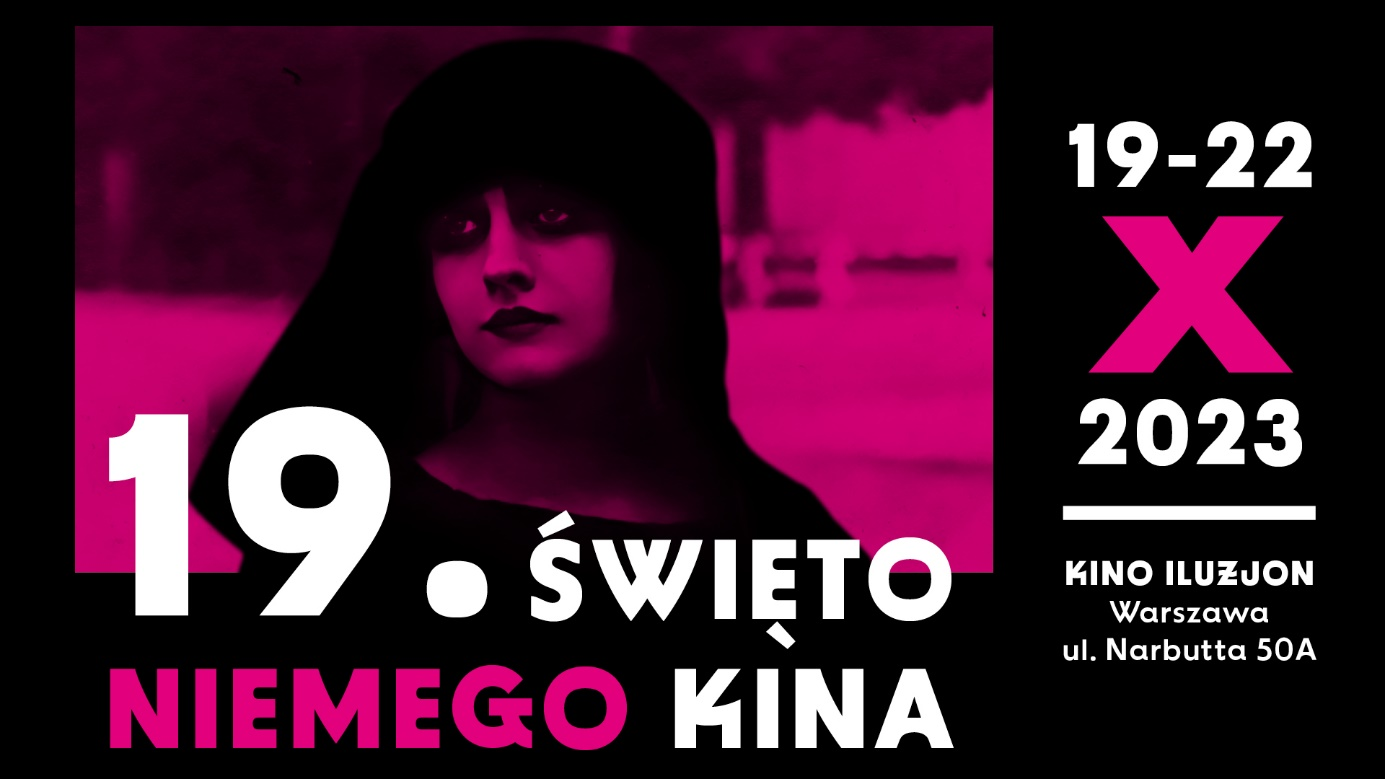
Warsaw Silent Film Days - 19th Edition
The most famous film review organized by Poland’s National Film Archive - Audiovisual Institute (FINA) returns on October 19th!
Polish and foreign cinema accompanied by live music will be welcoming viewers over the course of four days at Iluzjon Cinema in Warsaw. The programme includes films of Polish, French, American, and Ukrainian production.
Per tradition, the festival will open with a Polish title. This time around, opening will be Emil Chaberski and Zbigniew Gniazdowski’s 1928 “Tajemnica Starego Rodu” (Mystery of an Old Lineage)—a drama starring Jadwiga Smosarska, queen of the Polish screen, in a double role. The opening will be followed by three differently themed screening sections.
The section “Ukrainian Silent Cinema” will present two films by Kyivan director Mikhail Kaufman, a largely forgotten filmmaker now being rediscovered, who for most of his career was undeservedly overshadowed by his brother Dziga Vertov. Musical bands from Ukraine will accompany both films.
In the section “Silent Cinema Behind the Scenes” we’ll celebrate the 100th anniversary of the introduction of 16mm tape, which happens to fall on this year. Expect a rare opportunity to view films projected from 16mm on the big screen.
Additionally, we’ll showcase films with furry critters in the limelight, recalling the canine leads of yesteryear’s silent cinema—including Jean, Cameo, and the greatest adventure film star, the German Shepherd Rin Tin Tin. Equine and elephantine fans will also find something to their interest in this section.
As every year, we’ve also kept our youngest viewers in mind. In addition to slapstick comedies featuring various animals, we’ll be showing a children’s comedy-drama: the first screen adaptation of the well-known American youth novel “Penrod and Sam.”
The programme also includes great dramas and melodramas that remain touching and gripping to this day, such as Tod Browning’s “The Unknown,” Clarence Brown’s “Smouldering Fires,” and Alexander Hertz’s “Ludzie bez jutra” (People with no Tomorrow).
For more detailed information regarding the festival along with its programme, please see the link below:

On the occasion of the World Day for Audiovisual Heritage, the 8th edition of the festival Film Restored will take place from 25 to 29 October at Deutsche Kinemathek in Berlin. This year's edition explores gaps in film history and material, as well as absence as a narrative and aesthetic device. The programme highlights recently restored films, some of them considered lost for many decades, and sheds light on works that have received little recognition in film history. The festival comprises 17 screenings with films from 13 countries and 4 continents The festival’s full programm is available here. Talks and selected films are also available online from Oct 25 to Nov 9: www.film-restored.de
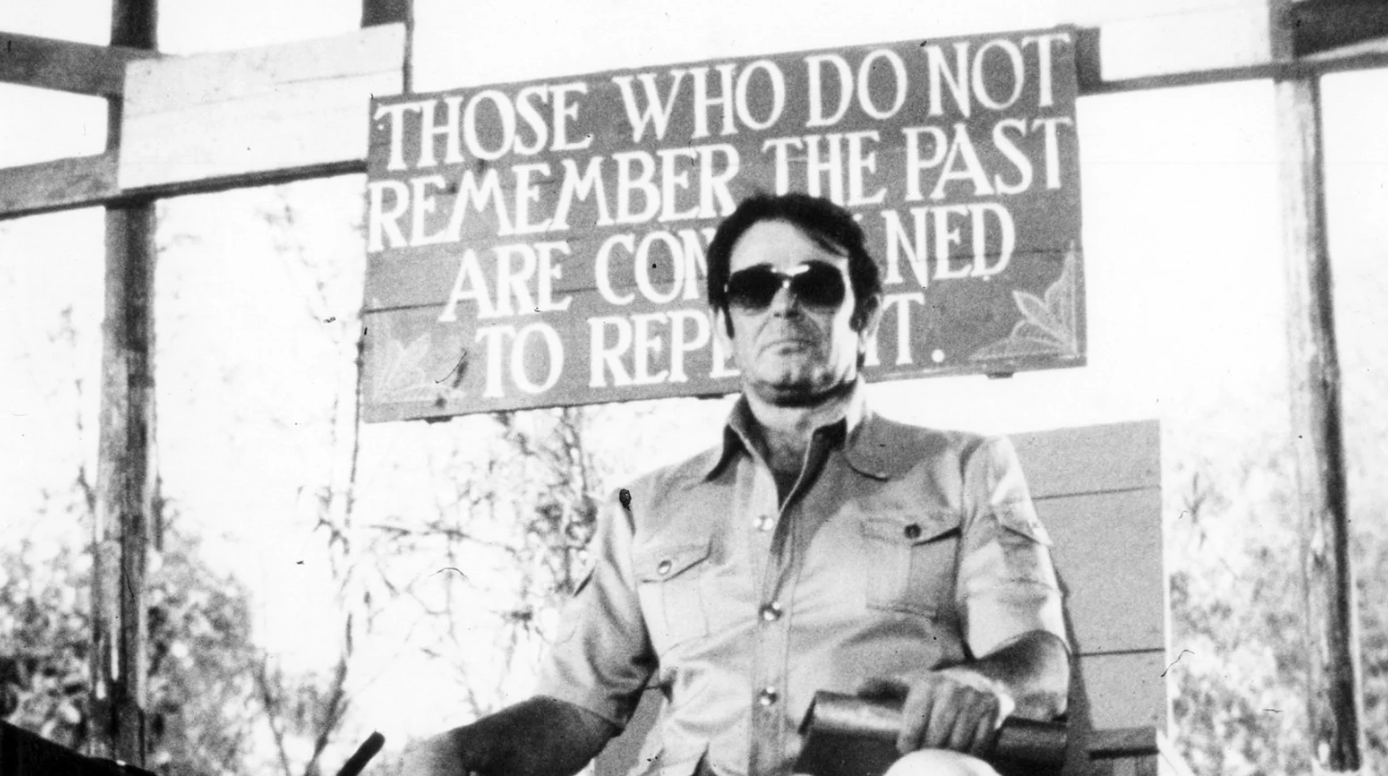
As part of its "Extrême CinémaThèque" program, the Cinémathèque de Toulouse presents the film Guyana: Crime of the Century by René Cardona Jr.
GUYANA, CRIME OF THE CENTURY
René Cardona Jr. 1979. Spain / Mexico / Panama. 115 min. Color. 35 mm. FRENCH ONLY.
A film based on the tragic mass suicide of the People's Temple sect led by Reverend Jim Jones. On November 18, 1978 in Jonestown, nine hundred and fourteen people perished by ingesting poison or simply being executed. Less than a year after the tragedy, Mexican filmmaker René Cardona Jr. delivered his version of events. But, miraculously, instead of descending into sensationalist, morbid cinema bis, Cardona carefully describes the evolution of the cult right up to the fatal outcome. This is one of the few cases in the history of cinema where an exploitation film has yielded to historical truth.
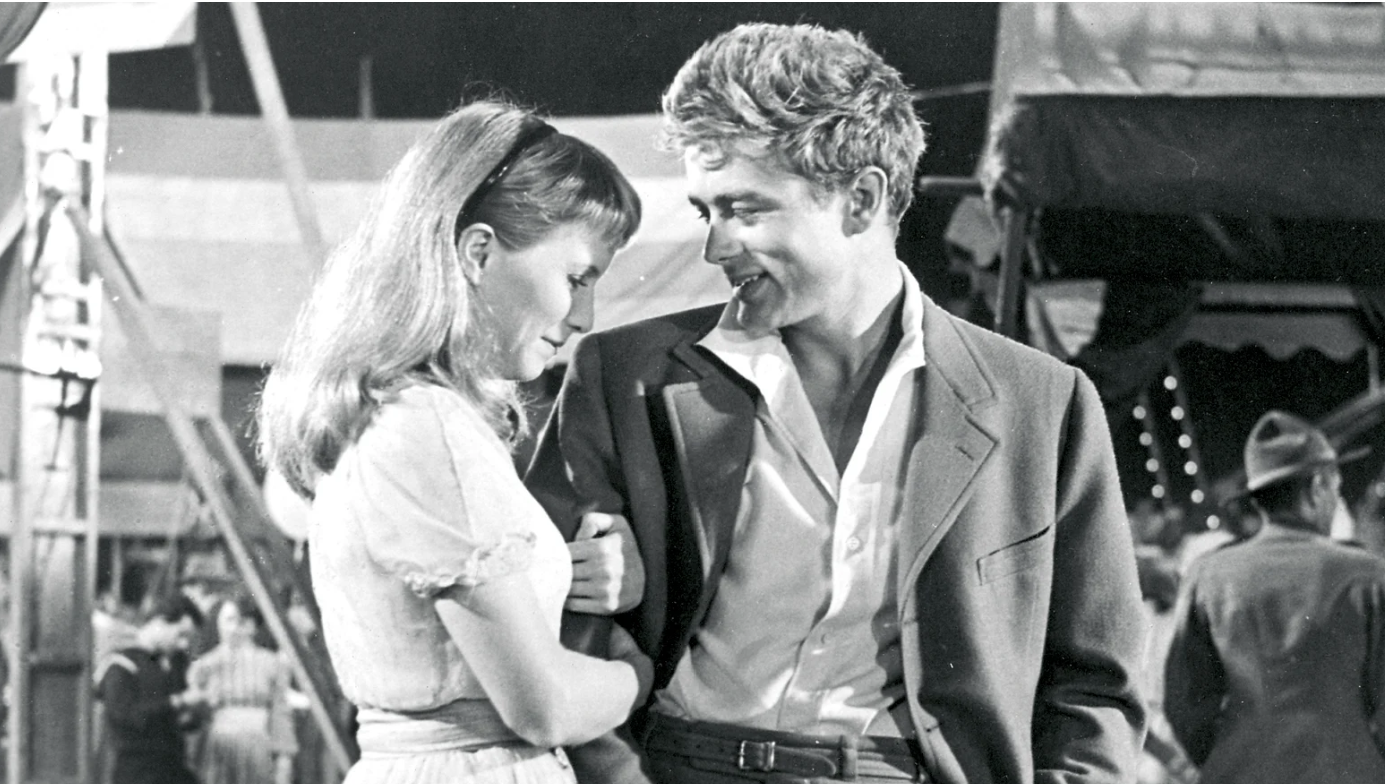
As part of a cycle devoted to the Actors Studio (October 17-December 16, 2023), the Cinémathèque de Toulouse presents Elia Kazan's East of Eden on October 27.
EAST OF EDEN
Elia Kazan. 1955. USA. 115 min. Color. DCP. VOSTF.
When Elia Kazan invited himself into Steinbeck's home, the first contraction of a myth was born: James Dean. Two films later, and a fatal car accident at the age of 24, did the rest. Here, Jimmy literally bursts onto the screen. Here, it's 1917, and the United States is wondering whether to enter the war. Here, a farm, an authoritarian father and his two sons. Here, the mother is dead. But the youngest son, the rebel Jimmy, has just learned that she's not dead, and that she's the madam of a boxing ring...

I WAS BORN, BUT...
YASUJIRO OZU
1932. Jap. 89 min. B&W. 35 mm. Japanese intertitles with French subtitles.
A late silent (since Japan's first talking film dates back to 1931), "I Was Born, But..." contains the seeds of most of the themes that would nourish Yasujiro Ozu's talkies. The film is striking for its mastery of burlesque and its sharp look at Japanese society at the time. In Gosses de Tokyo, the filmmaker captures childhood in all its effervescence, without obscuring its cruelty. Submissive rituals, fights, egg-swallowing... In the suburbs of Tokyo, two young children confront their new classmates, while their father confronts his new employer.
Accompanied on piano by Raphaël Howson
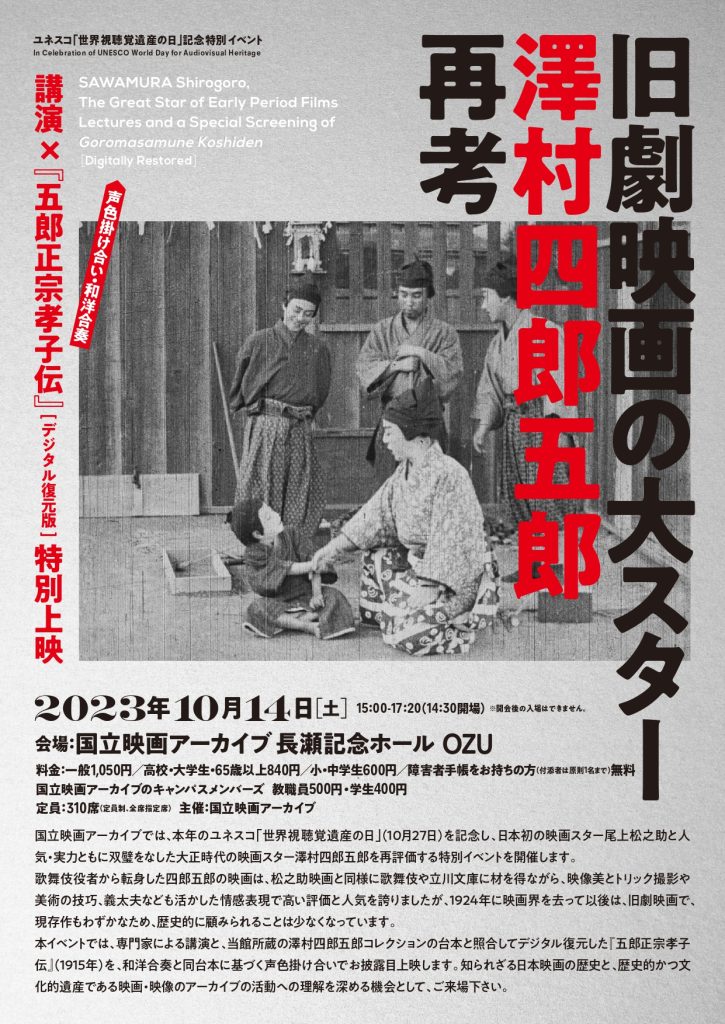
On the occasion of this year's World Day for Audiovisual Heritage, the National Film Archive of Japan will hold a special event focusing on a Taisho era film star Sawamura Shirogoro, who competed with Japan's first film star Onoe Matsunosuke.
Date: Oct 14(Sat) 3:00 pm- 5:20 pm
[Lecture]
"Sawamura Shirogoro as a Kabuki actor" Ryuichi Kodama (Professor, School of Letters, Arts and Sciences, Waseda University)
"Sawamura Shirogoro or the Image of the Anti-Hero in Kyugeki, or Old Drama" Hiroshi Komatsu (Professor, School of Letters, Arts and Sciences, Waseda University) *Video lecture
[Screening]
Goromasamune Koshiden [Digitally Restored] (1915) with kowairo-kakeai Benshi perfrmance (employing multiple performers to voice different characters) .
Click ↓to view the leaflet (in Japanese).
http://www.nfaj.go.jp/english/wp-content/uploads/sites/5/2023/09/unesco2023.pdf
Members of the Cineteca have curated a special program for this day. They have choose different and very rare films that belong to the film collection of the Museum. We will be projecting in 35mm, 16mm and 8mm.